
Endoscopic Spine Surgery in Dubai
Full-endoscopic spine surgery treats a herniated disc or a narrowed canal through an incision smaller than a fingernail, with the muscles pushed aside rather than cut.
- German board-certified surgeon
- Arabic, English, German
- Saudi German Hospital Dubai
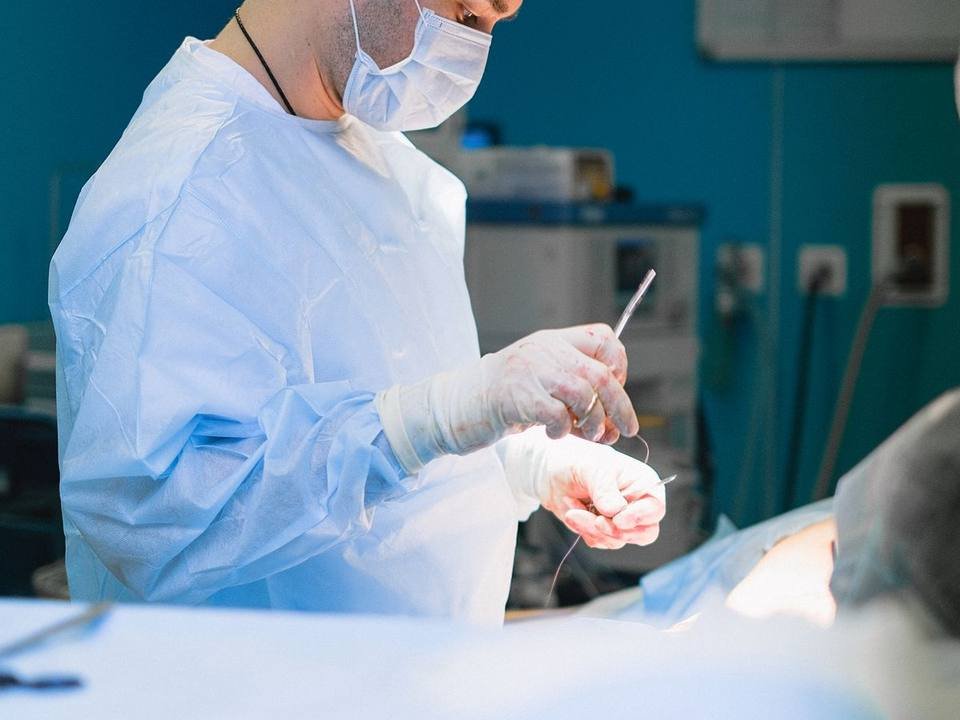
What endoscopic spine surgery is
A working endoscope, a thin tube carrying a high-definition camera, light and irrigation, is passed to the spine through a very small incision. Instruments pass down the centre of the scope, so the surgeon operates while viewing a magnified image of the nerve and disc on screen.
Because the endoscope is introduced between the muscle fibres rather than stripping muscle off the bone, the normal anatomy that stabilises your spine is largely left intact.
Who it suits
It is most often used for a herniated disc causing sciatica, and for certain types of spinal stenosis.
- Leg or arm pain that persists despite several weeks of proper conservative treatment
- Imaging that clearly shows compression matching your symptoms and examination
- Progressive weakness in the muscles supplied by the affected nerve
- Not every disc is suitable: very large fragments, significant instability or deformity may need a different approach
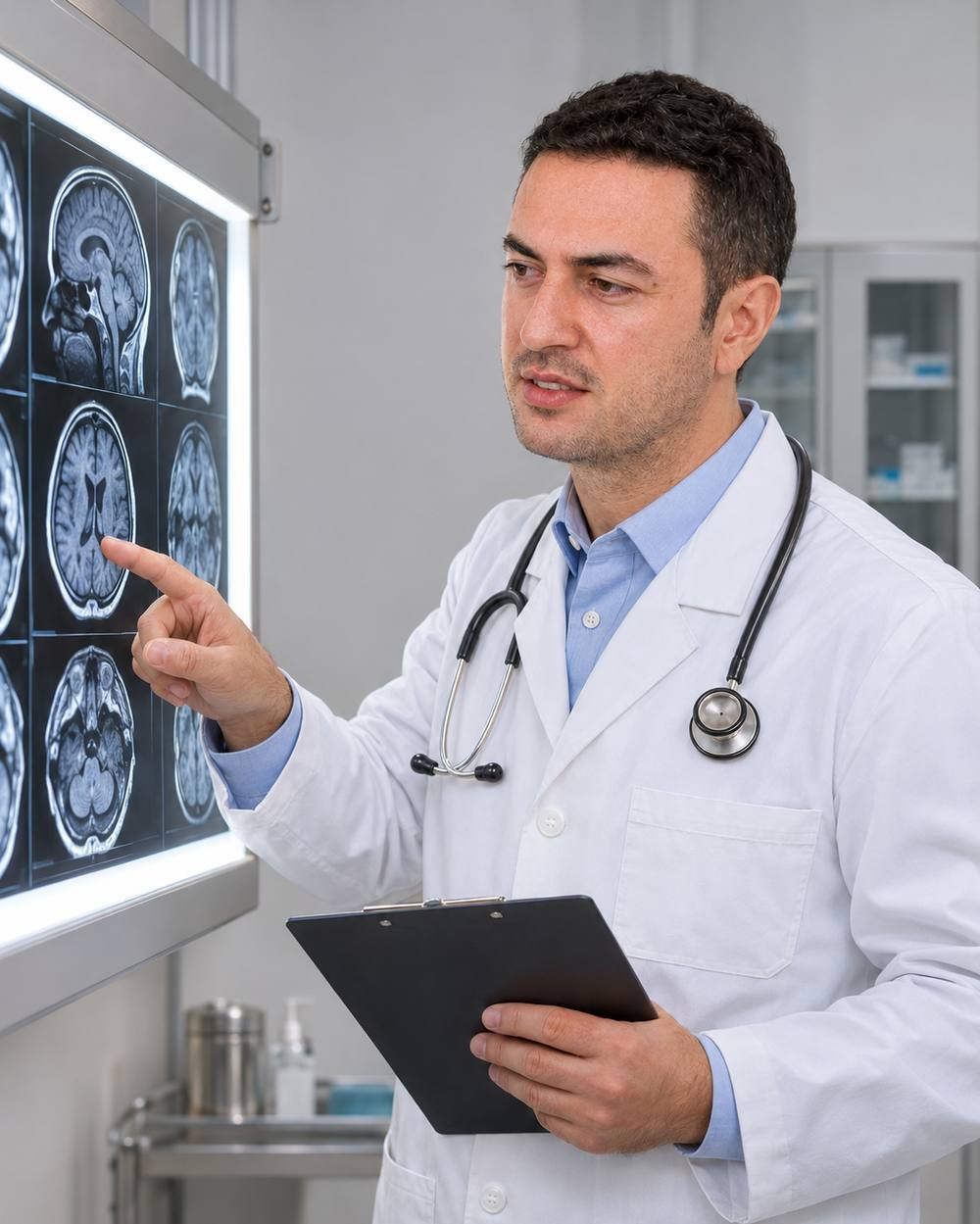
What happens during the procedure
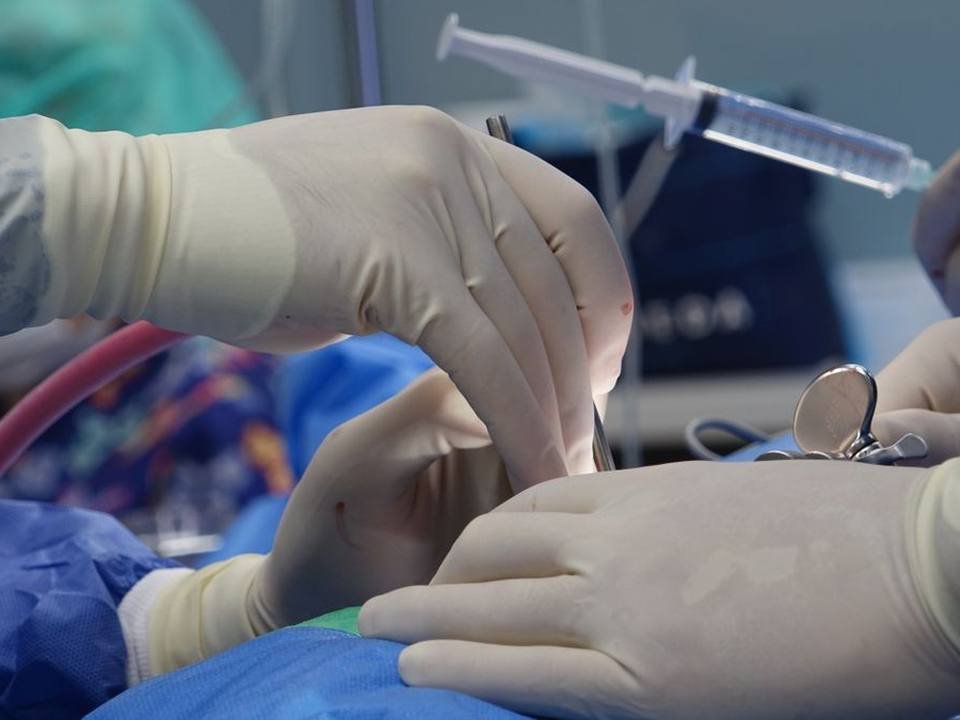
Under X-ray guidance the endoscope is positioned precisely at the level and side of the compression. The disc fragment or the thickened ligament and bone pressing on the nerve is removed under direct vision, and the surgeon confirms the nerve is free before withdrawing.
Continuous irrigation keeps the field clear, which gives an exceptionally clear view of the nerve root throughout.
Recovery and results
Most patients walk within a few hours and go home the same day or the next morning, with a single stitch or adhesive strip. Leg pain often improves immediately, because the pressure is relieved directly.
Desk work typically resumes in one to two weeks. A graded physiotherapy programme starts early and builds core stability over six to twelve weeks. As with any disc surgery, a small proportion of patients experience a recurrence.
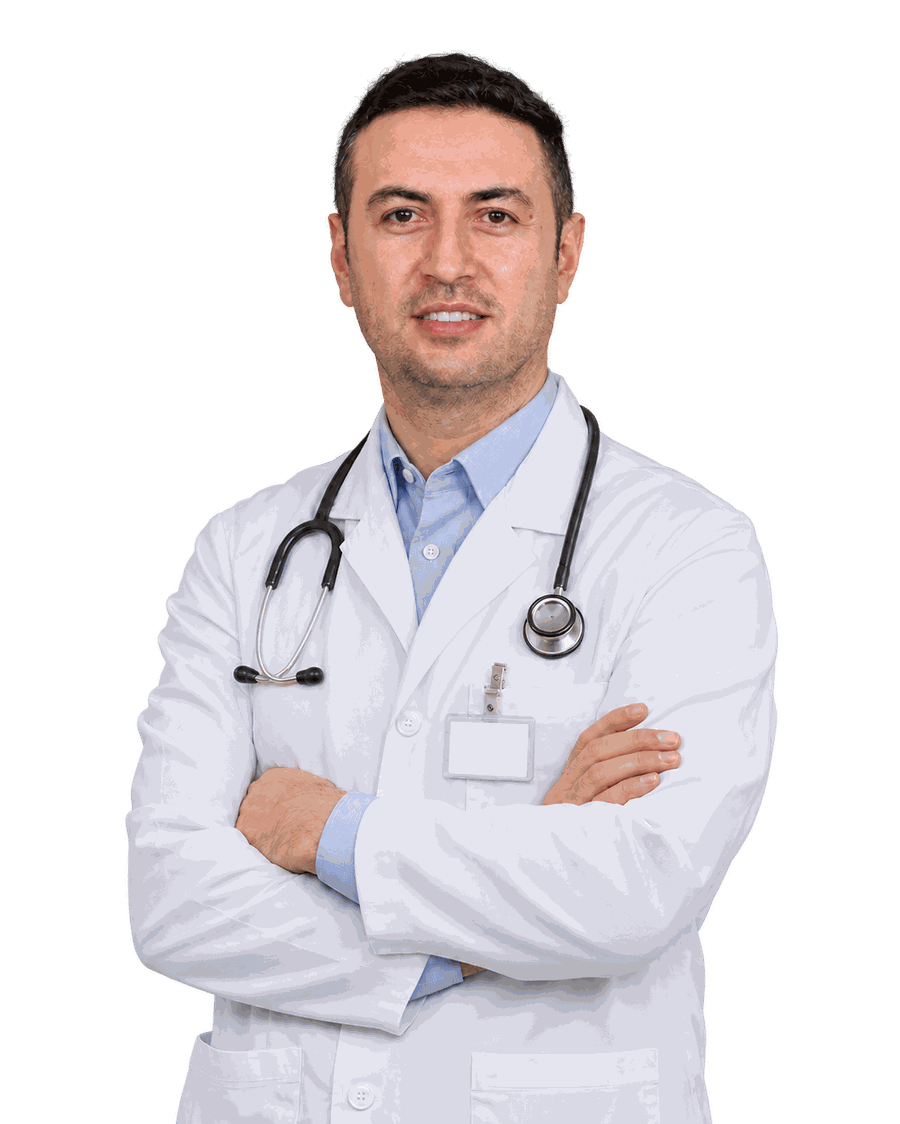
Dr. Nayef Soufan
German board-certified Consultant Neurosurgeon at Saudi German Hospital Dubai, treating brain, spine and nerve conditions.
- German Board (Facharzt) in Neurosurgery, Munich 2017
- EUROSPINE Diploma 2025 and DWG Master Training
- More than 2,100 brain and spine surgeries
- 11 years in the German healthcare system
Your Treatment Journey
- 01Consultation and imaging review
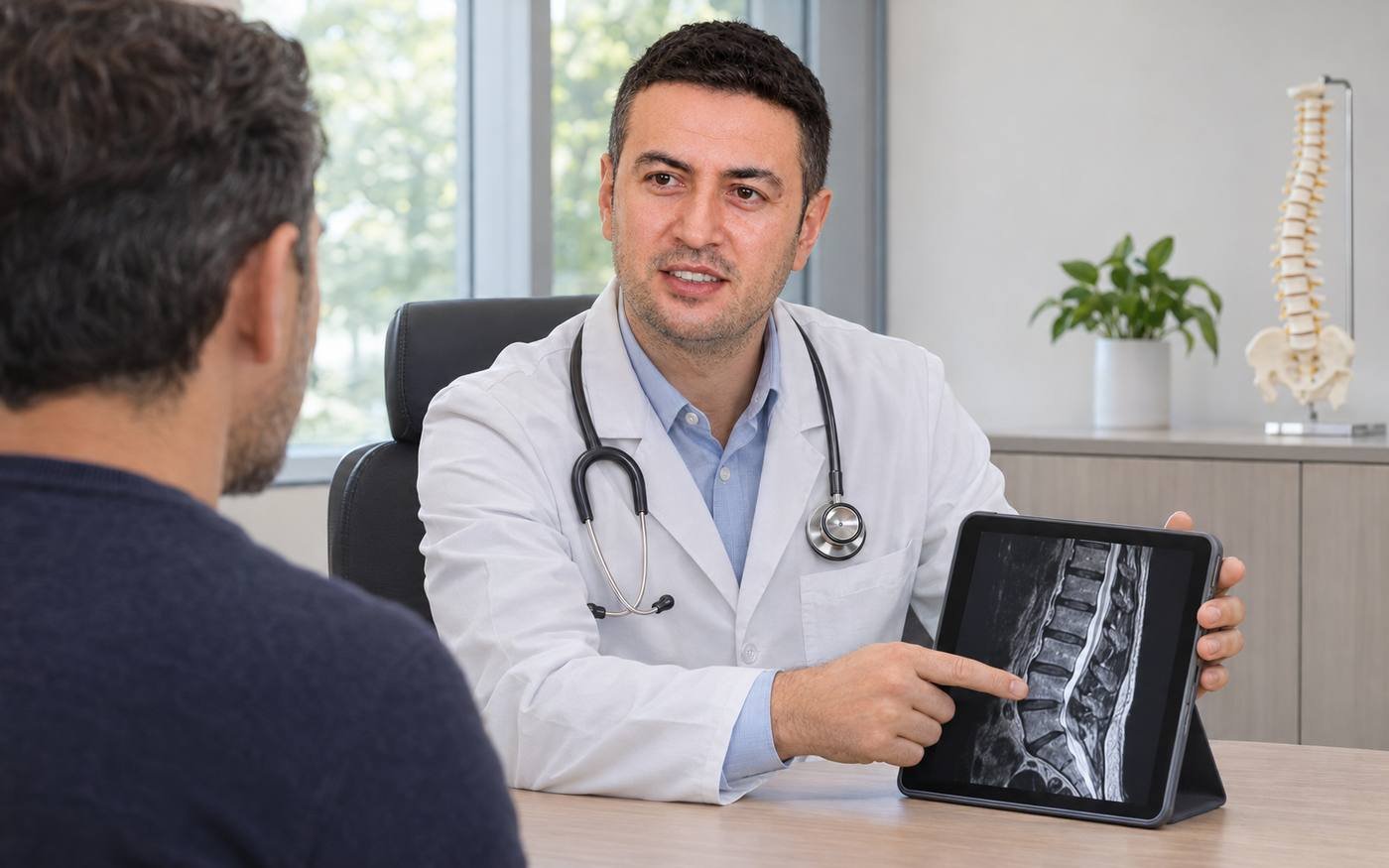
In clinic or by video. Dr. Soufan examines you, reviews your MRI or CT himself and explains what the images actually show.
- 02Diagnosis and all options
You get a clear diagnosis and every reasonable option, non-surgical first. Surgery is discussed only when the findings call for it.
- 03Pre-operative checks and insurance
If you proceed, the Saudi German Hospital team arranges blood tests, anaesthetic review and insurance approval.
- 04The procedure
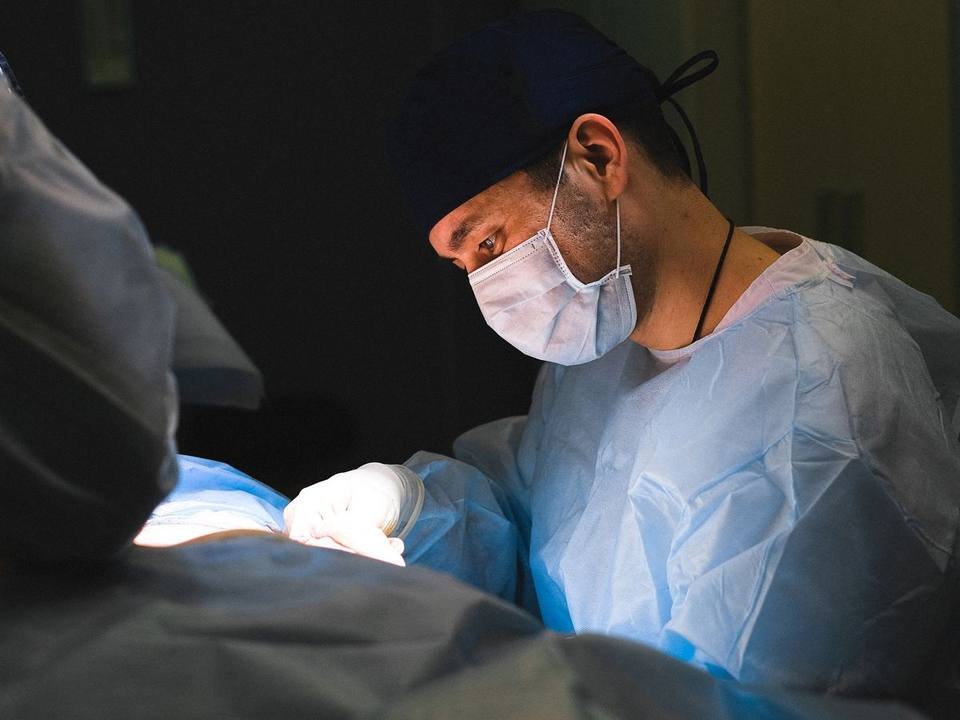
Performed at Saudi German Hospital Dubai with neuronavigation and intraoperative imaging, through the smallest approach your condition allows.
- 05Follow-up and rehabilitation
Wound check, a staged return to activity and a physiotherapy plan, with Dr. Soufan reviewing your progress until you are back to normal life.

Frequently Asked Questions
Still have a question? Call the clinic and the team will help you.
Call the clinic+971 50 595 4783How big is the incision?
Under one centimetre, usually closed with a single stitch or an adhesive strip.
Is endoscopic surgery as effective as open surgery?
For correctly selected patients, nerve decompression is just as complete. The difference is in the approach: less muscle disruption and generally a faster early recovery.
Will I be asleep?
Most cases are done under general anaesthetic. Some lumbar procedures can be performed under local anaesthetic with sedation, which Dr. Soufan will discuss with you.
When can I drive?
Usually one to two weeks, once you are off strong painkillers and can perform an emergency stop comfortably.
What if my disc herniates again?
Recurrence occurs in a small percentage of patients. It can usually be treated, and the rehabilitation programme is designed to reduce the risk.
Start With Clarity
Send your MRI or book a consultation. You will leave with a clear diagnosis and every option explained, in your language.
Call+971 50 595 4783