Pituitary Surgery in Dubai
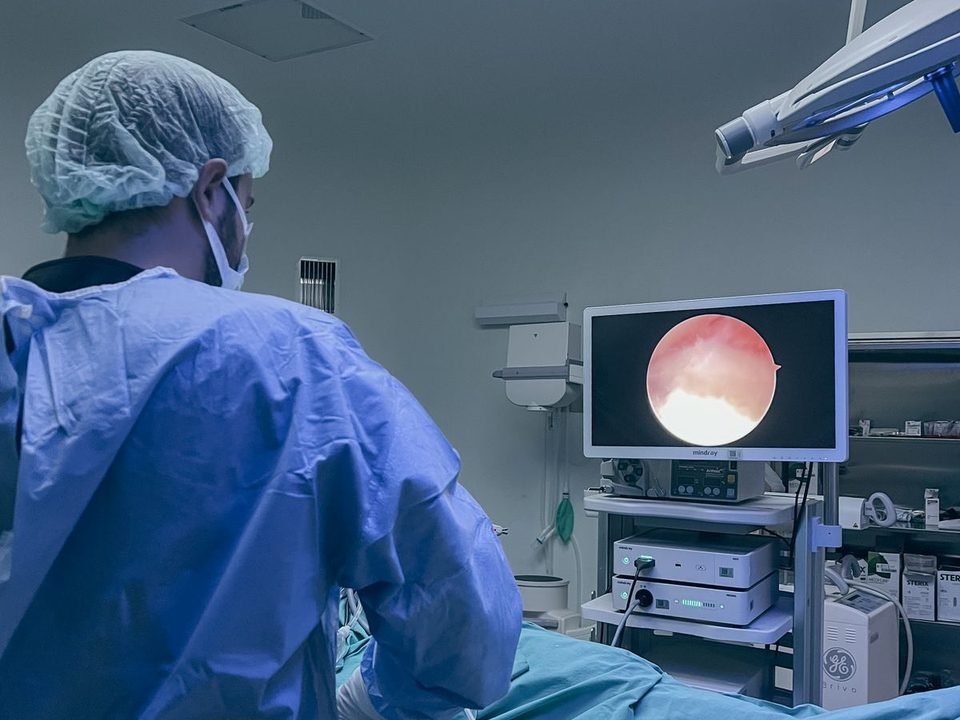
Pituitary surgery is performed through the nostril and the sinus behind it, so there is no incision on the head and no need to move the brain to reach the gland.
- German board-certified surgeon
- Arabic, English, German
- Saudi German Hospital Dubai
The transsphenoidal approach
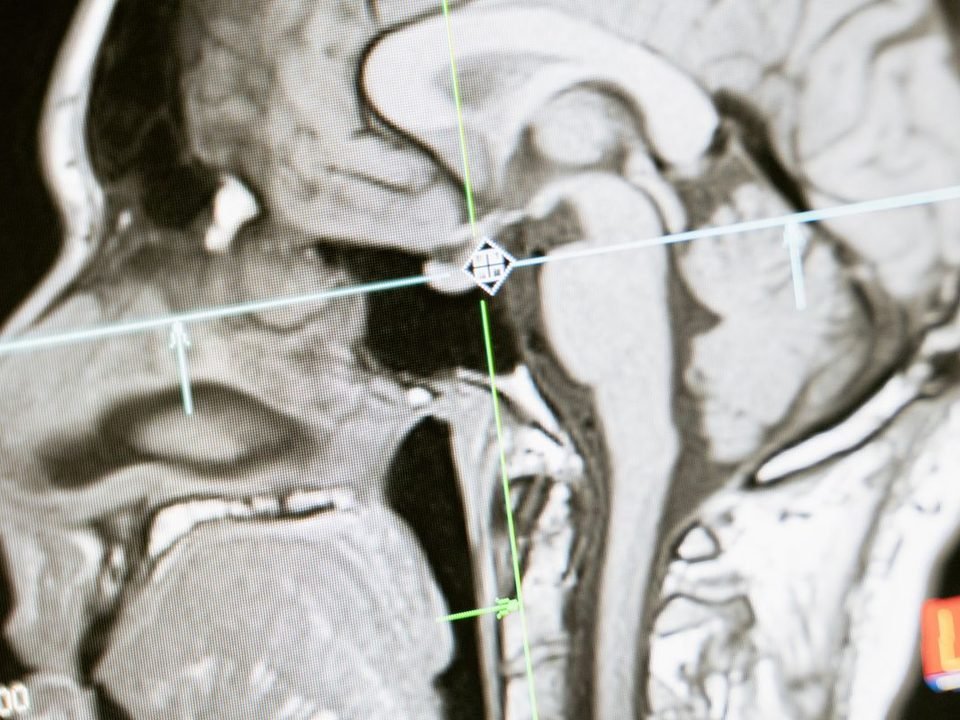
The pituitary gland sits in a bony hollow at the base of the skull, directly behind the sphenoid sinus. That anatomy allows the surgeon to reach it through the nose, passing through the sinus to the floor of the pituitary fossa, without retracting the brain at all.
The adenoma is then removed under magnification, with care to preserve the normal pituitary tissue and the membrane separating the gland from the structures above.
What surgery aims to achieve
Depending on the tumour, the goals differ.
- Decompressing the optic nerves to protect and restore vision
- Removing a hormone-secreting tumour to normalise hormone levels
- Preserving normal pituitary function wherever possible
- Obtaining tissue for a definitive diagnosis
Working with endocrinology
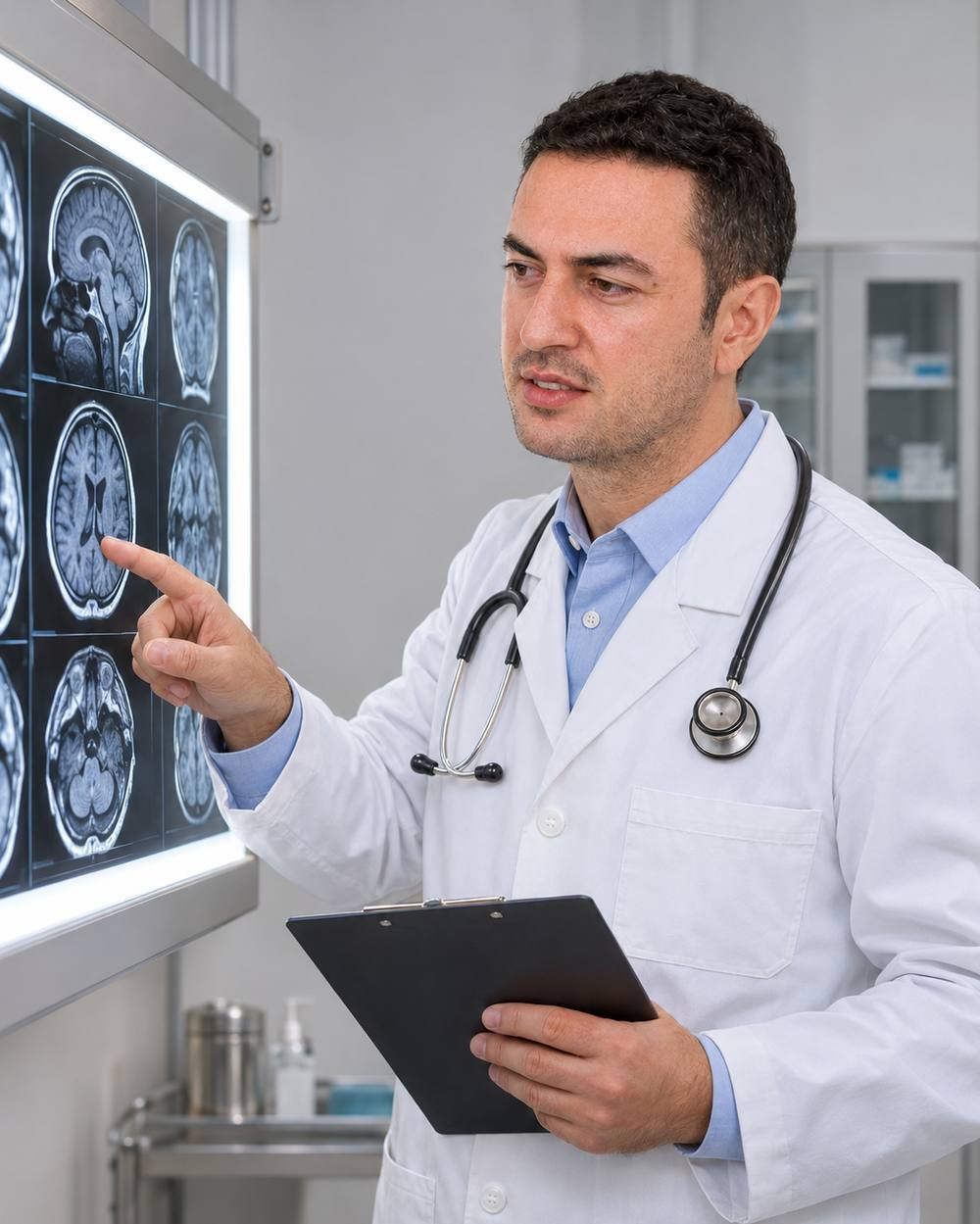
Pituitary care is a joint undertaking. Hormone levels are assessed before surgery, monitored closely afterwards, and replacement therapy started where the gland is underactive.
For prolactin-secreting tumours, medication is often the first treatment and surgery may not be needed at all, which is why the endocrine assessment comes first.
Recovery
There is no incision on the head and no visible scar. Nasal congestion and a blocked feeling are common for one to two weeks. You will be asked to avoid nose blowing and straining during early healing.
Fluid balance is monitored in hospital because temporary changes in water regulation can follow pituitary surgery. Most patients go home within two to four nights, with follow-up imaging, hormone tests and visual field assessment arranged.
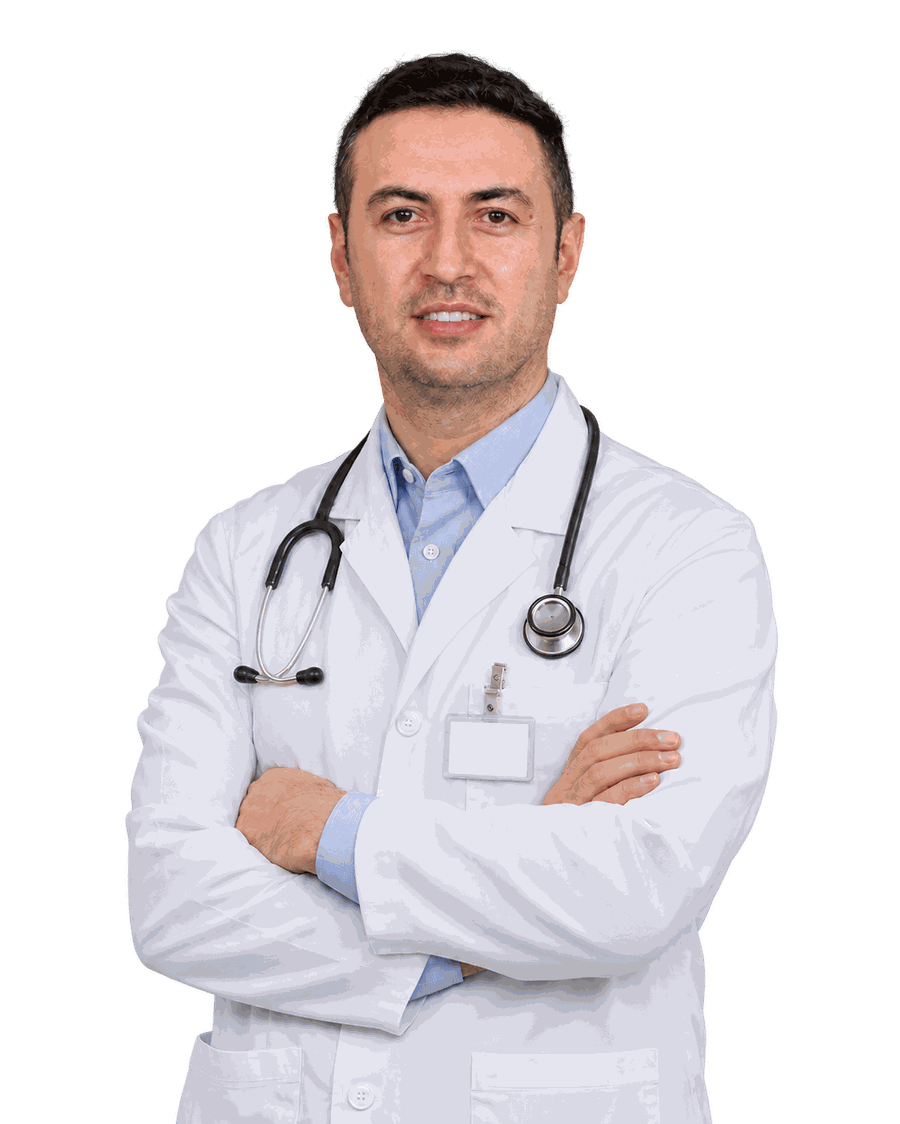
Dr. Nayef Soufan
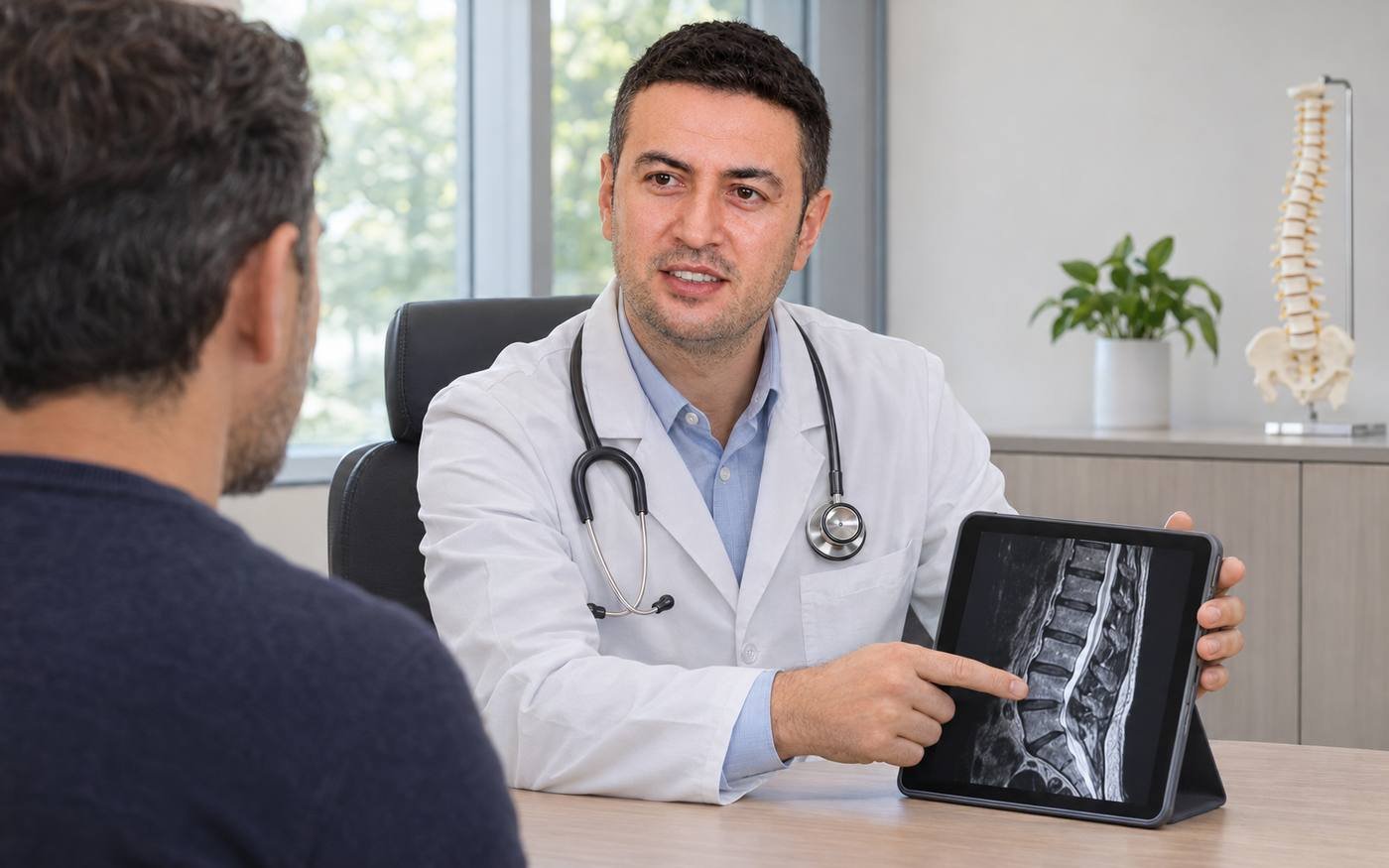
German board-certified Consultant Neurosurgeon at Saudi German Hospital Dubai, treating brain, spine and nerve conditions.
- German Board (Facharzt) in Neurosurgery, Munich 2017
- EUROSPINE Diploma 2025 and DWG Master Training
- More than 2,100 brain and spine surgeries
- 11 years in the German healthcare system
Your Treatment Journey
- 01Consultation and imaging review
In clinic or by video. Dr. Soufan examines you, reviews your MRI or CT himself and explains what the images actually show.
- 02Diagnosis and all options
You get a clear diagnosis and every reasonable option, non-surgical first. Surgery is discussed only when the findings call for it.
- 03Pre-operative checks and insurance
If you proceed, the Saudi German Hospital team arranges blood tests, anaesthetic review and insurance approval.
- 04The procedure
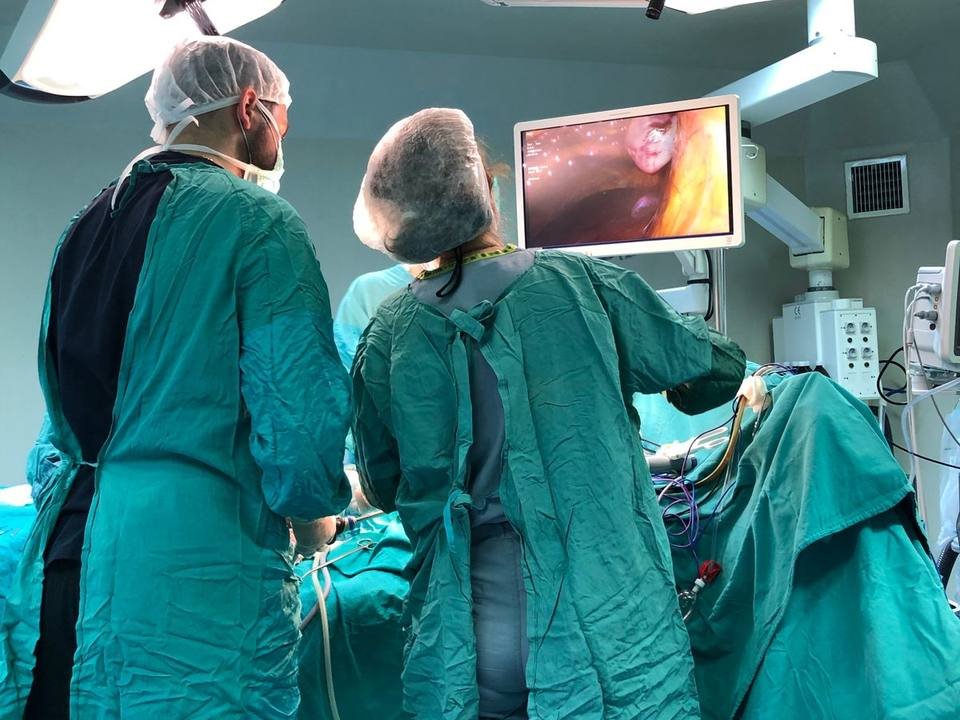
Performed at Saudi German Hospital Dubai with neuronavigation and intraoperative imaging, through the smallest approach your condition allows.
- 05Follow-up and rehabilitation
Wound check, a staged return to activity and a physiotherapy plan, with Dr. Soufan reviewing your progress until you are back to normal life.
Related Treatments and Conditions
Frequently Asked Questions
Still have a question? Call the clinic and the team will help you.
Call the clinic+971 50 595 4783Will I have a scar?
In most cases no. The approach is through the nostril, so there is no visible incision.
Will my vision come back?
When the optic nerves are decompressed before damage becomes long-standing, vision often improves, sometimes within days.
Will I need hormone replacement?
Some patients do, temporarily or permanently. Hormone levels are monitored after surgery and replacement managed with an endocrinologist.
How long is the hospital stay?
Typically two to four nights, partly so that fluid balance and hormone levels can be monitored.
Can the tumour come back?
Recurrence is possible, particularly with larger tumours. Follow-up MRI and hormone testing are scheduled to detect it early.
Start With Clarity
Send your MRI or book a consultation. You will leave with a clear diagnosis and every option explained, in your language.
Call+971 50 595 4783