
Minimally Invasive Spinal Fusion in Dubai
Fusion is the right answer for a specific set of problems: instability, slippage, deformity, fracture, infection and tumour. Where it is needed, doing it through small approaches changes the recovery considerably.
- German board-certified surgeon
- Arabic, English, German
- Saudi German Hospital Dubai

What fusion does
Fusion joins two or more vertebrae into a single solid unit so that painful or unstable movement at that segment stops. The disc is removed and replaced with a cage filled with bone graft; screws and rods hold the segment still while the bone grows across it.
It is a bigger undertaking than decompression alone, which is why the indication has to be clear before it is recommended.
The minimally invasive difference
Traditional fusion required stripping the muscles from the spine over a long incision. Minimally invasive techniques use small portals through which the muscle is dilated rather than cut.
- Less blood loss and less post-operative muscle pain
- Shorter hospital stay and earlier mobilisation for most patients
- Navigation and intraoperative imaging confirm screw position during surgery
- Smaller incisions, with less disruption to the muscles that support your spine

Which approach, and why
The four main routes reach the disc space from different directions, and the choice depends on the level, the anatomy and what needs to be achieved.
TLIF approaches from behind and to the side, and allows decompression at the same time. ALIF approaches from the front through the abdomen and restores disc height and alignment well. XLIF and OLIF approach from the side, avoiding both the back muscles and the abdominal cavity. Dr. Soufan will explain which applies to your case and why.
Recovery
Most patients are walking the day after surgery and stay two to four nights. A brace is sometimes used in the early weeks. Pain from the nerve compression usually settles quickly; the fusion itself consolidates over six to twelve months.
Physiotherapy starts with walking and posture, progressing to core strengthening. Desk work generally resumes at four to six weeks, with heavier work later depending on the levels fused.
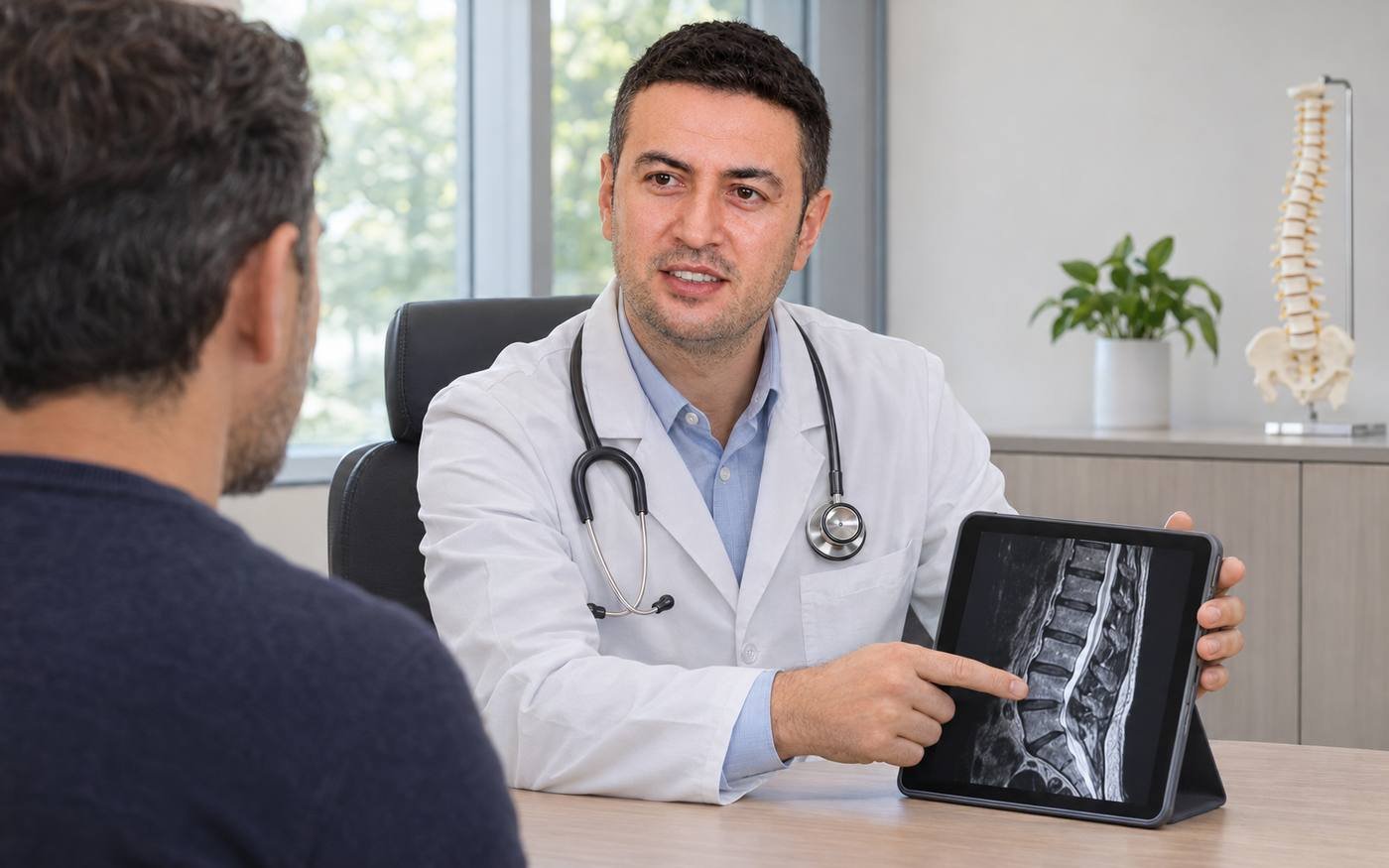

Dr. Nayef Soufan
German board-certified Consultant Neurosurgeon at Saudi German Hospital Dubai, treating brain, spine and nerve conditions.
- German Board (Facharzt) in Neurosurgery, Munich 2017
- EUROSPINE Diploma 2025 and DWG Master Training
- More than 2,100 brain and spine surgeries
- 11 years in the German healthcare system
Your Treatment Journey
- 01Consultation and imaging review
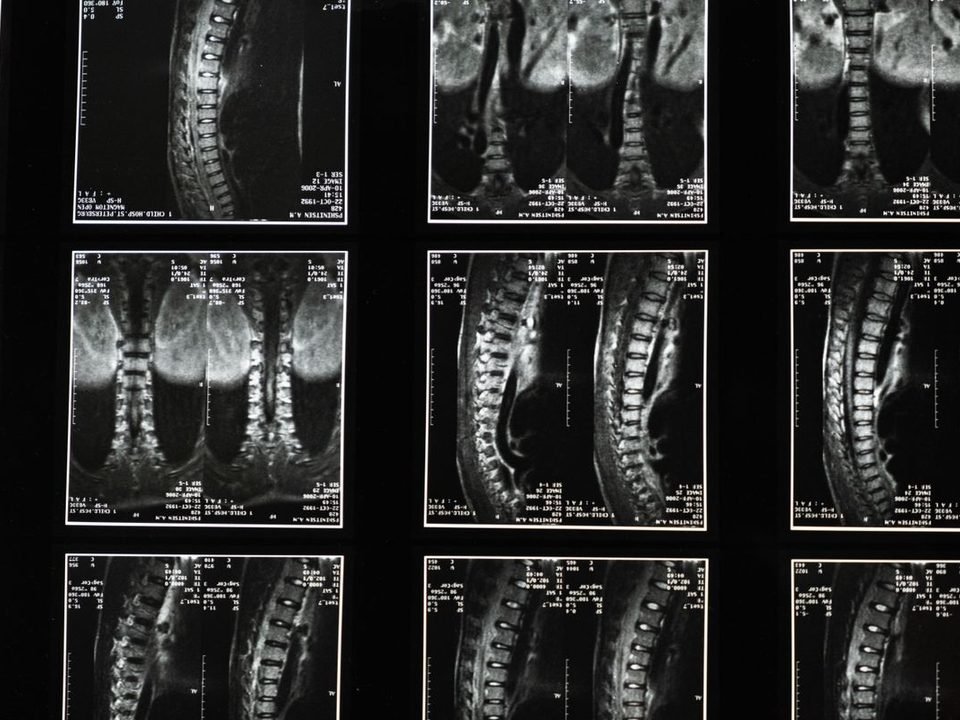
In clinic or by video. Dr. Soufan examines you, reviews your MRI or CT himself and explains what the images actually show.
- 02Diagnosis and all options
You get a clear diagnosis and every reasonable option, non-surgical first. Surgery is discussed only when the findings call for it.
- 03Pre-operative checks and insurance
If you proceed, the Saudi German Hospital team arranges blood tests, anaesthetic review and insurance approval.
- 04The procedure
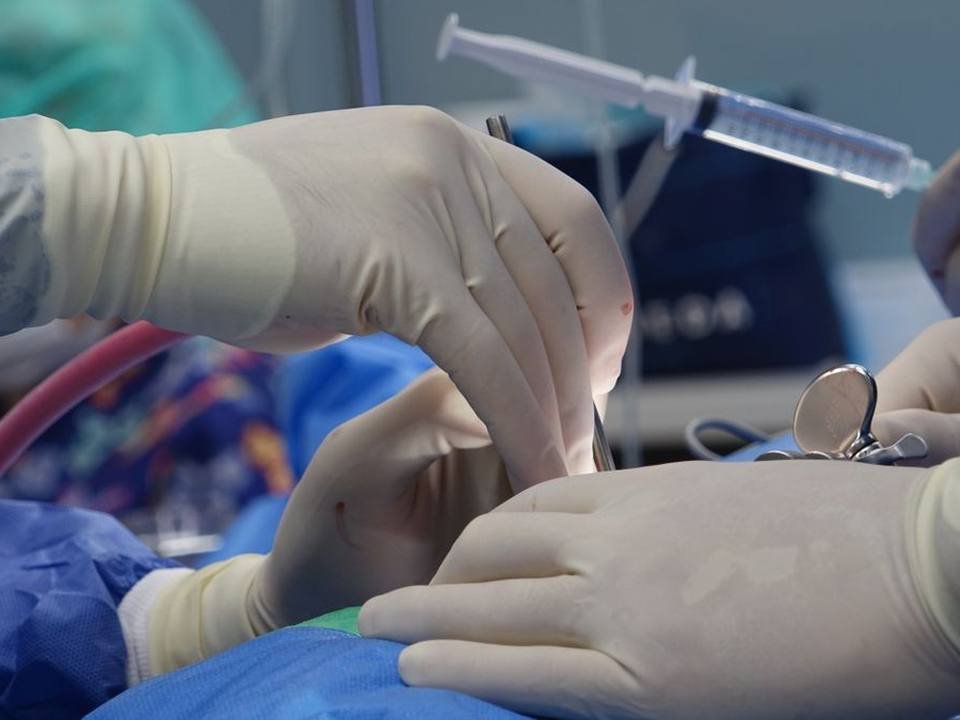
Performed at Saudi German Hospital Dubai with neuronavigation and intraoperative imaging, through the smallest approach your condition allows.
- 05Follow-up and rehabilitation
Wound check, a staged return to activity and a physiotherapy plan, with Dr. Soufan reviewing your progress until you are back to normal life.

Frequently Asked Questions
Still have a question? Call the clinic and the team will help you.
Call the clinic+971 50 595 4783Will I lose movement in my back?
Each fused level loses its own movement, but the lumbar spine has several levels and most patients do not notice a functional restriction after a single-level fusion.
When is fusion really necessary?
For instability, spondylolisthesis, deformity, fracture, infection or tumour. It is not a routine treatment for back pain alone.
How long until the bone fuses?
Fusion consolidates over six to twelve months, although you will be mobile and improving long before that.
Will I set off airport scanners?
Modern titanium implants rarely trigger airport detectors. You can request an implant card for reassurance.
What is the difference between TLIF, ALIF, XLIF and OLIF?
They reach the disc space from the back, the front and the side respectively. Each has advantages at particular levels and in particular anatomy.
Start With Clarity
Send your MRI or book a consultation. You will leave with a clear diagnosis and every option explained, in your language.
Call+971 50 595 4783