Microvascular Decompression in Dubai
Microvascular decompression treats the cause of trigeminal neuralgia rather than the symptom: it lifts the blood vessel off the nerve and keeps it there.
- German board-certified surgeon
- Arabic, English, German
- Saudi German Hospital Dubai
Why the operation works
In classical trigeminal neuralgia an artery or vein lies against the trigeminal nerve where it leaves the brainstem. Each pulse presses on the nerve, and over years the insulating myelin sheath wears away, so the nerve misfires and produces bursts of severe pain.
Microvascular decompression removes that contact. Because the nerve itself is not damaged or divided, facial sensation is preserved.
What happens during surgery
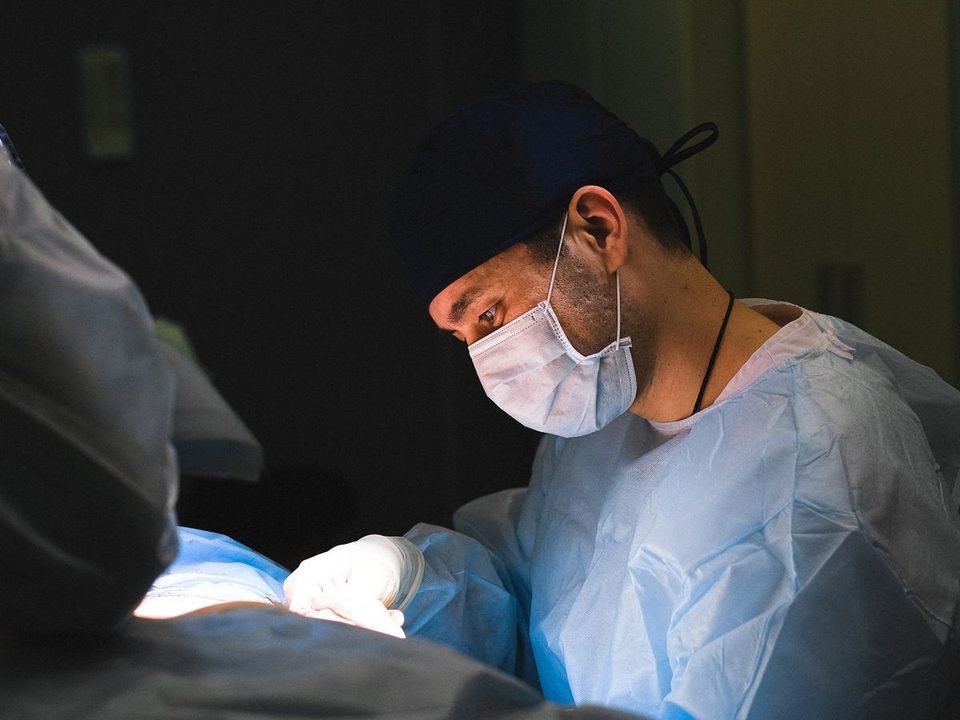
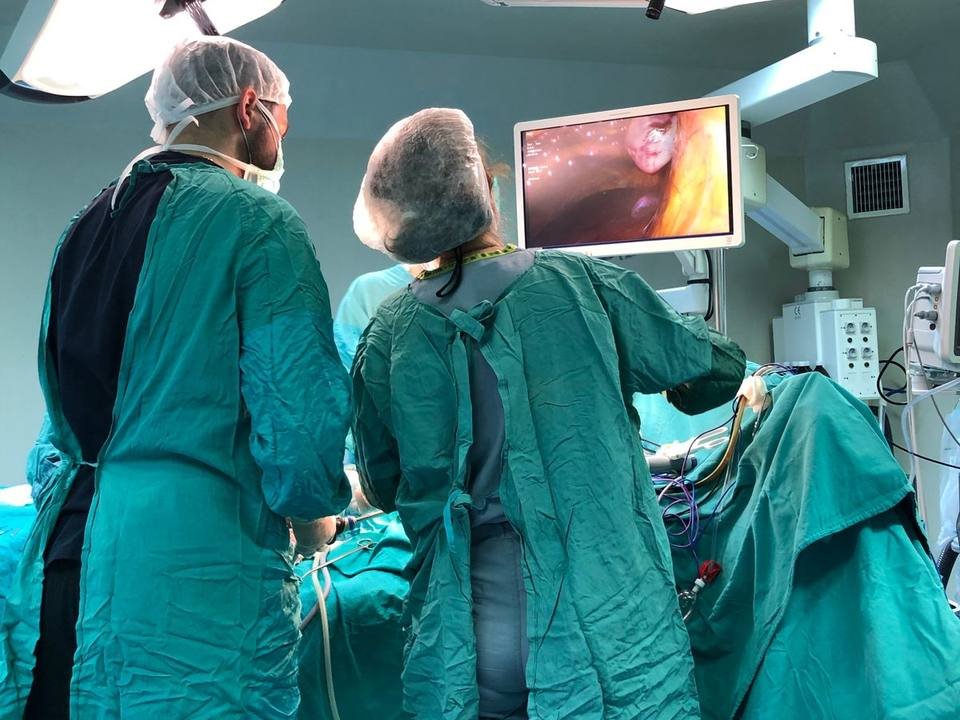
A small opening is made in the bone behind the ear. Under the microscope the surgeon follows the nerve to the brainstem and identifies the vessel in contact with it.
- The vessel is gently mobilised away from the nerve
- A small inert cushion is placed between them so the contact cannot recur
- The nerve is left intact, preserving normal facial sensation
- Where no vessel is found, alternative treatments are discussed rather than damaging the nerve
How it compares with other options
Needle-based procedures through the cheek and stereotactic radiosurgery both work by damaging the nerve in a controlled way. They are less invasive but typically trade some facial numbness for pain relief, and relief can be less durable.
Microvascular decompression is a larger undertaking but is the only option that addresses the mechanism. In suitable patients it provides the most durable relief with sensation preserved. Which is right depends on your age, general health, imaging and preference.
Recovery
Pain relief is often immediate on waking. Most patients stay two to three nights. Headache and tiredness for a week or two are common, and hearing is checked because the nerve for hearing lies nearby.
Medication is tapered under guidance rather than stopped abruptly. Most patients return to normal activity within three to four weeks.

Dr. Nayef Soufan
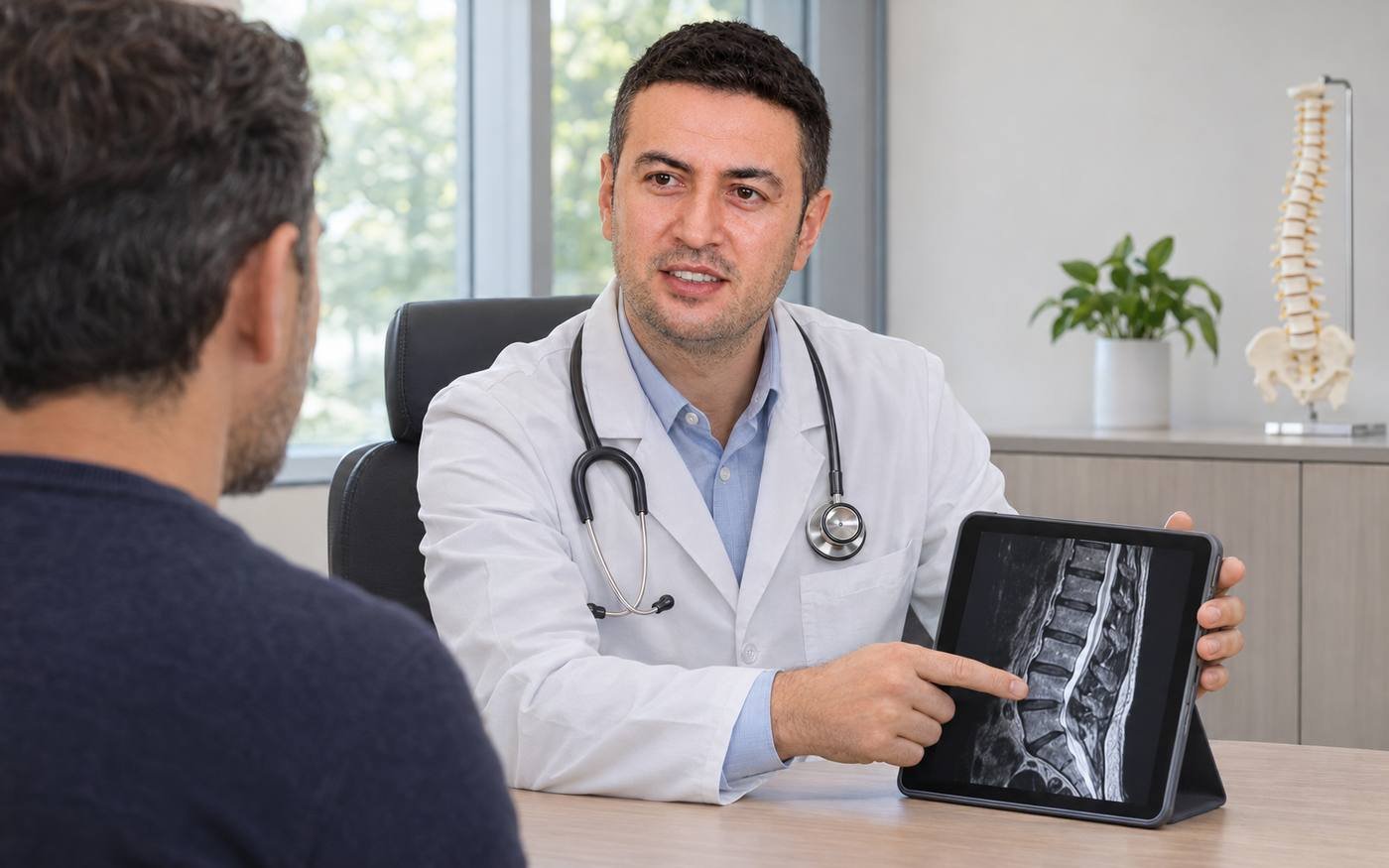
German board-certified Consultant Neurosurgeon at Saudi German Hospital Dubai, treating brain, spine and nerve conditions.
- German Board (Facharzt) in Neurosurgery, Munich 2017
- EUROSPINE Diploma 2025 and DWG Master Training
- More than 2,100 brain and spine surgeries
- 11 years in the German healthcare system
Your Treatment Journey
- 01Consultation and imaging review
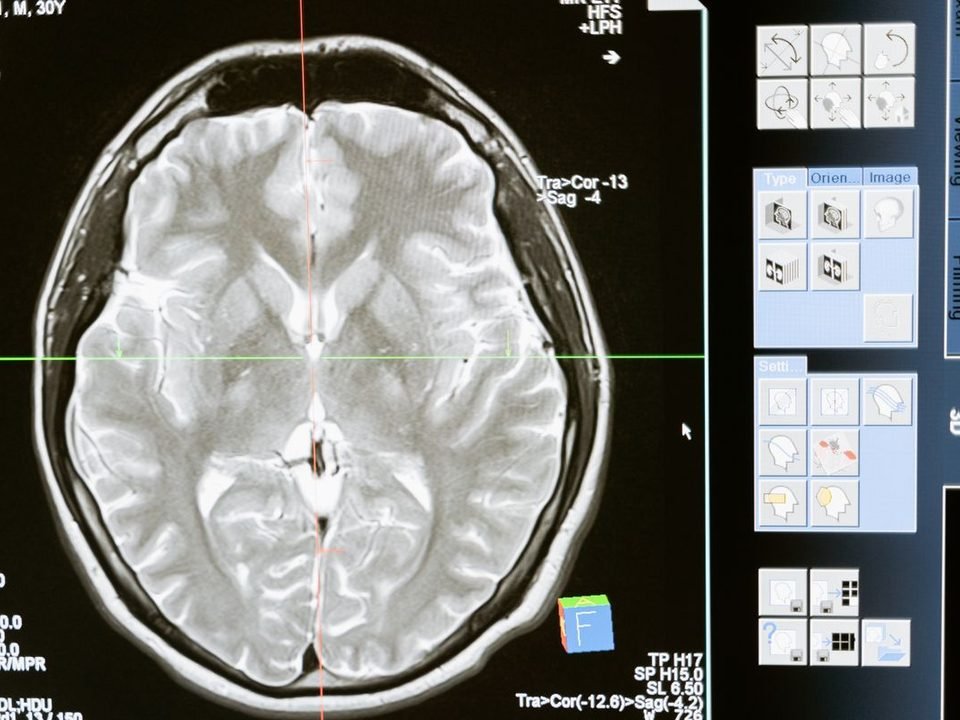
In clinic or by video. Dr. Soufan examines you, reviews your MRI or CT himself and explains what the images actually show.
- 02Diagnosis and all options
You get a clear diagnosis and every reasonable option, non-surgical first. Surgery is discussed only when the findings call for it.
- 03Pre-operative checks and insurance
If you proceed, the Saudi German Hospital team arranges blood tests, anaesthetic review and insurance approval.
- 04The procedure
Performed at Saudi German Hospital Dubai with neuronavigation and intraoperative imaging, through the smallest approach your condition allows.
- 05Follow-up and rehabilitation
Wound check, a staged return to activity and a physiotherapy plan, with Dr. Soufan reviewing your progress until you are back to normal life.
Related Treatments and Conditions

Frequently Asked Questions
Still have a question? Call the clinic and the team will help you.
Call the clinic+971 50 595 4783Will my face be numb afterwards?
Microvascular decompression is designed to preserve sensation, unlike procedures that work by deliberately injuring the nerve.
How long does the relief last?
It offers the most durable relief of the available options in suitable patients. Some patients do experience recurrence over many years.
What are the risks?
They include hearing change, facial weakness, cerebrospinal fluid leak and the general risks of anaesthesia and craniotomy. These are discussed in detail before you decide.
Can I stop my medication after surgery?
Usually yes, but it is tapered gradually under guidance rather than stopped suddenly.
What if no blood vessel is found?
If there is no vascular contact, the nerve is not damaged and alternative treatments are considered instead.
Start With Clarity
Send your MRI or book a consultation. You will leave with a clear diagnosis and every option explained, in your language.
Call+971 50 595 4783