
Sciatica Treatment in Dubai
Sciatica is a symptom, not a diagnosis. The pain running down your leg is caused by something pressing on or irritating a nerve root, and treatment depends entirely on what that something is.
- German board-certified surgeon
- Arabic, English, German
- Saudi German Hospital Dubai

What sciatica actually is
The sciatic nerve is formed from nerve roots leaving the lower spine and runs through the buttock and down the back of the leg. When one of those roots is compressed or inflamed, pain is felt along the whole path of the nerve, which is why the problem is in your back but the pain is in your calf.
The most common cause is a herniated disc. Others include spinal stenosis, spondylolisthesis, and less commonly a spinal tumour or infection.
How it is diagnosed
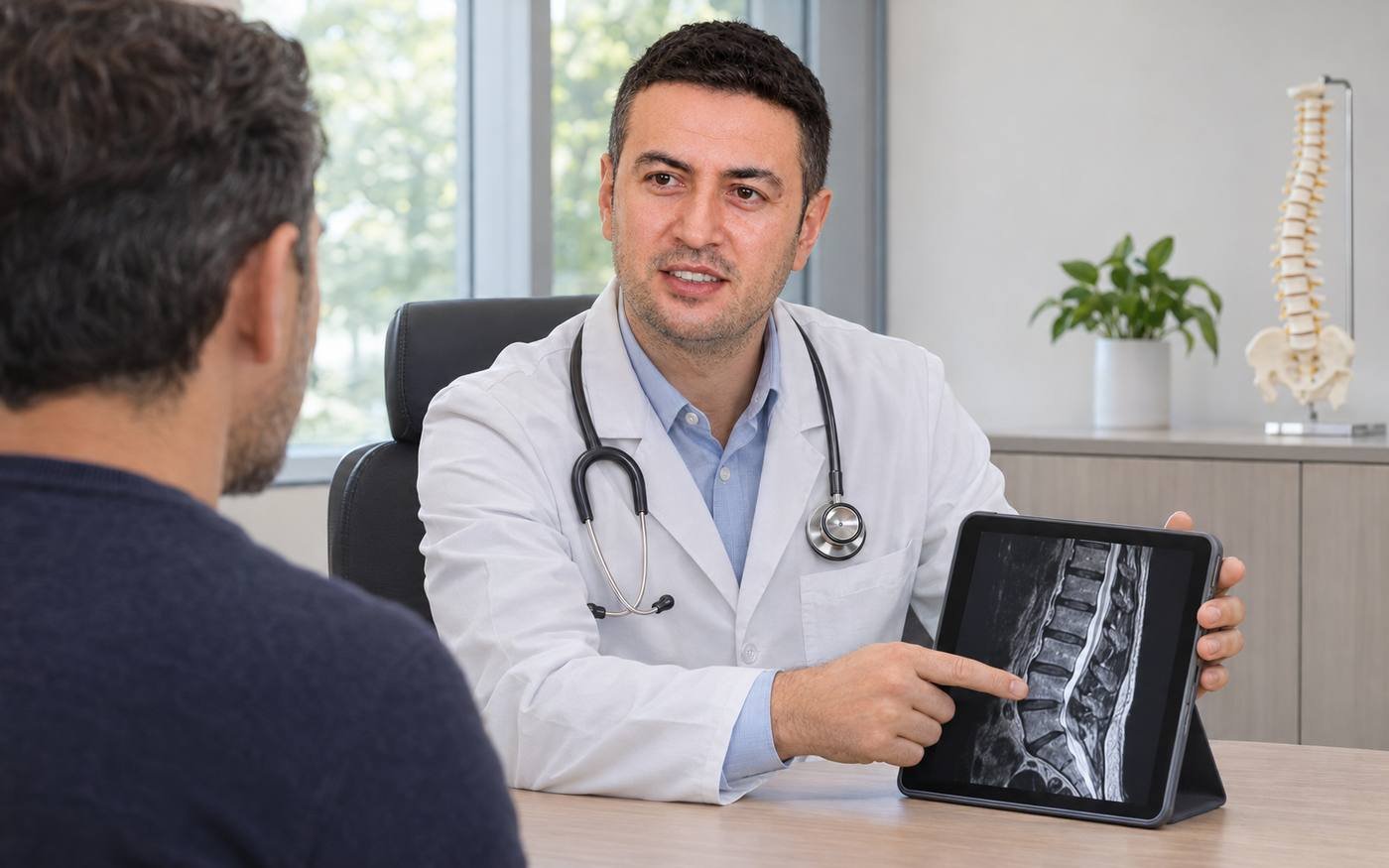
Diagnosis starts with the history and a neurological examination: reflexes, power in specific muscle groups, and the distribution of numbness. That examination tells the surgeon which nerve root is involved before any scan is taken.
- MRI is the standard imaging test and shows discs, nerve roots and the spinal canal
- CT is used when bone detail matters or MRI is not possible
- Nerve conduction studies occasionally help separate sciatica from a problem in the leg itself
Non-surgical treatment
Most sciatica improves without surgery. Staying active within the limits of pain works better than bed rest. Anti-inflammatory medication, nerve pain medication where appropriate, and a structured physiotherapy programme are the foundation.
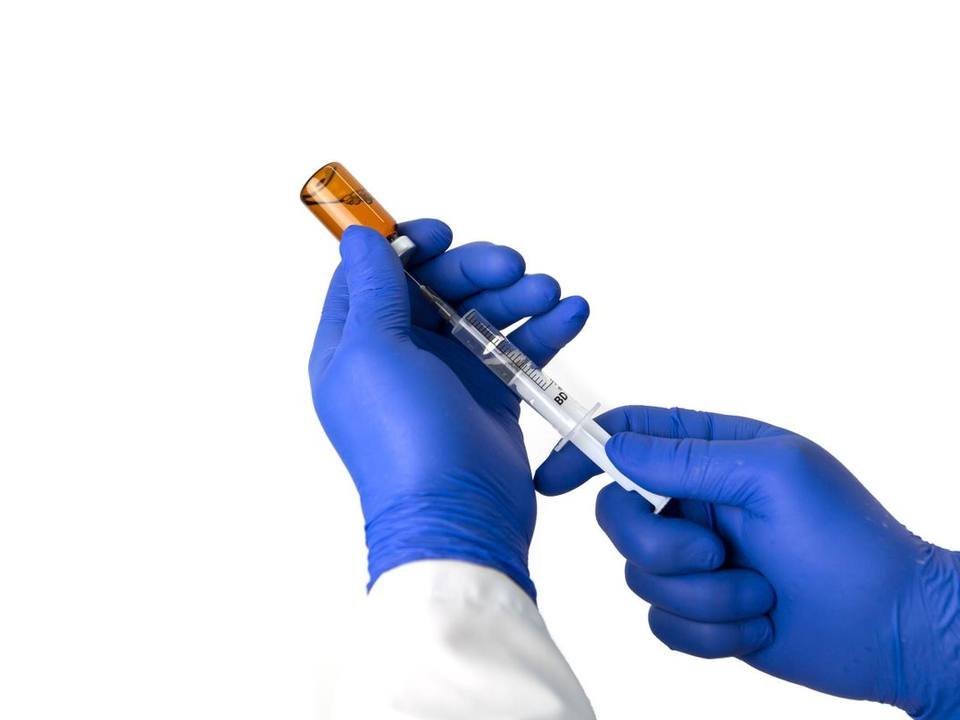
When pain is severe or slow to settle, an image-guided nerve root block delivers anti-inflammatory medication precisely around the affected root. It both treats the pain and confirms which root is responsible.
When surgery helps
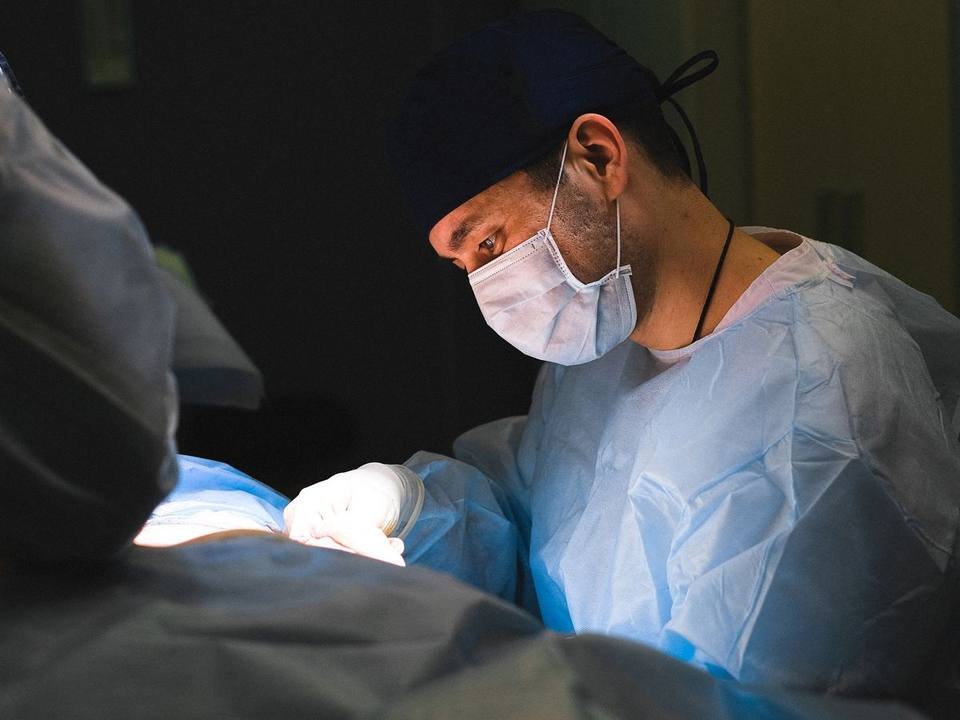
Surgery is indicated when severe nerve pain persists despite proper conservative treatment, when weakness is progressing, or in an emergency such as cauda equina syndrome. Decompressing the nerve root by removing the disc fragment or widening the canal relieves leg pain reliably when the compression is clearly shown on imaging and matches the examination.
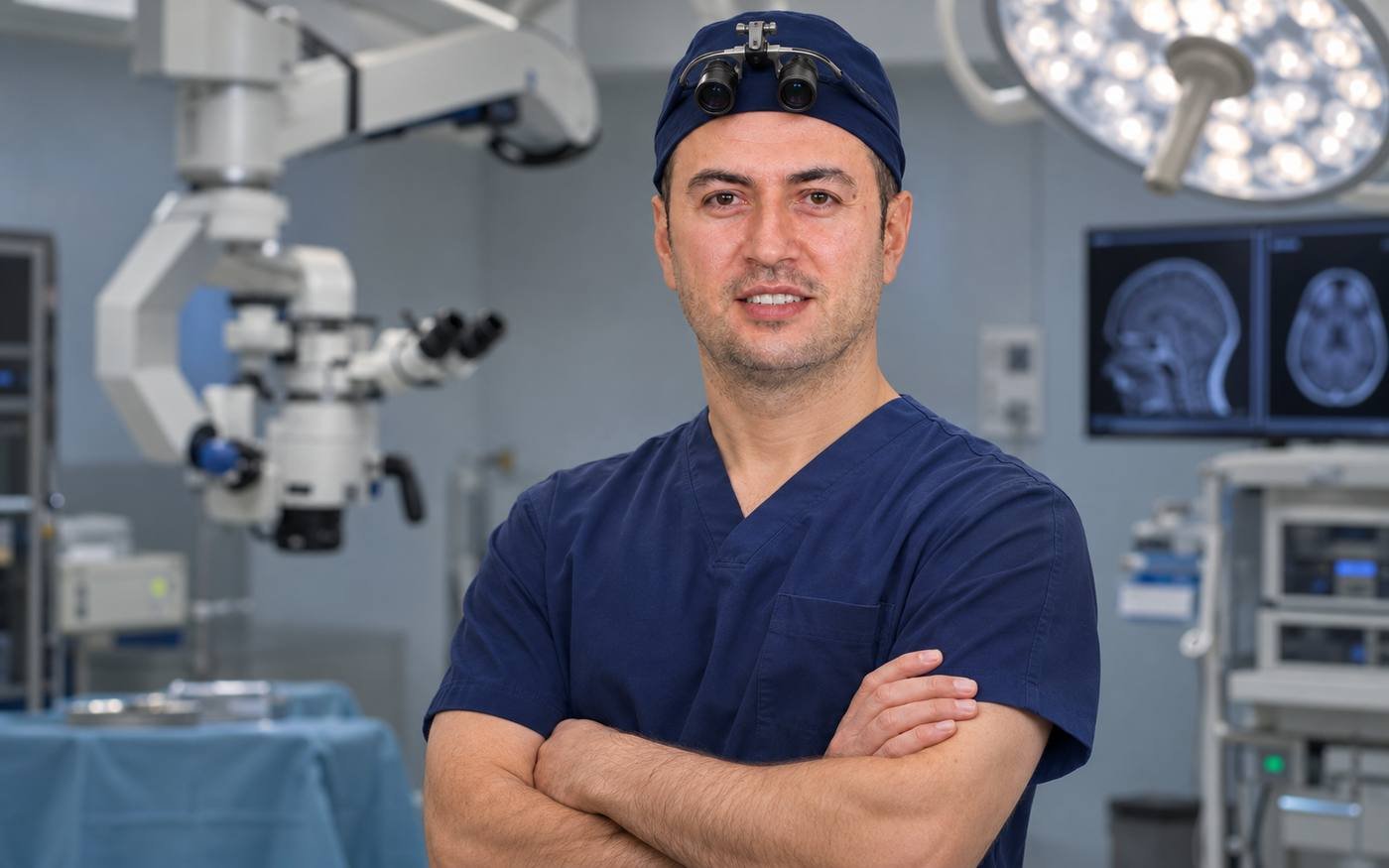

Dr. Nayef Soufan
German board-certified Consultant Neurosurgeon at Saudi German Hospital Dubai, treating brain, spine and nerve conditions.
- German Board (Facharzt) in Neurosurgery, Munich 2017
- EUROSPINE Diploma 2025 and DWG Master Training
- More than 2,100 brain and spine surgeries
- 11 years in the German healthcare system
Your Treatment Journey
- 01Consultation and imaging review
In clinic or by video. Dr. Soufan examines you, reviews your MRI or CT himself and explains what the images actually show.
- 02Diagnosis and all options
You get a clear diagnosis and every reasonable option, non-surgical first. Surgery is discussed only when the findings call for it.
- 03Pre-operative checks and insurance
If you proceed, the Saudi German Hospital team arranges blood tests, anaesthetic review and insurance approval.
- 04The procedure
Performed at Saudi German Hospital Dubai with neuronavigation and intraoperative imaging, through the smallest approach your condition allows.
- 05Follow-up and rehabilitation
Wound check, a staged return to activity and a physiotherapy plan, with Dr. Soufan reviewing your progress until you are back to normal life.

Frequently Asked Questions
Still have a question? Call the clinic and the team will help you.
Call the clinic+971 50 595 4783How long does sciatica take to settle?
Most episodes improve substantially within six to twelve weeks. Pain that is still severe after that, or weakness that is getting worse, should be reassessed.
Should I rest in bed?
No. Prolonged bed rest makes recovery slower. Keep moving within the limits of your pain and follow a structured physiotherapy plan.
Do injections cure sciatica?
An injection treats the inflammation around the nerve rather than the underlying compression. For many people that is enough to break the pain cycle and allow rehabilitation to work; for others it provides temporary relief and confirms the diagnosis.
Can sciatica cause permanent damage?
Prolonged severe compression can leave lasting numbness or weakness, which is why progressive weakness is taken seriously. Pain alone, however severe, does not usually cause permanent nerve damage.
What is the red flag I should not ignore?
Loss of bladder or bowel control, numbness in the saddle area, or rapidly worsening weakness in both legs. Go to an emergency department the same day.
Start With Clarity
Send your MRI or book a consultation. You will leave with a clear diagnosis and every option explained, in your language.
Call+971 50 595 4783