
Brain Aneurysm Treatment in Dubai
A sudden, severe headache unlike any you have had before is a medical emergency. Call 998. Most aneurysms, however, are found before they ever bleed, and then there is time to plan.
- German board-certified surgeon
- Arabic, English, German
- Saudi German Hospital Dubai
What a brain aneurysm is
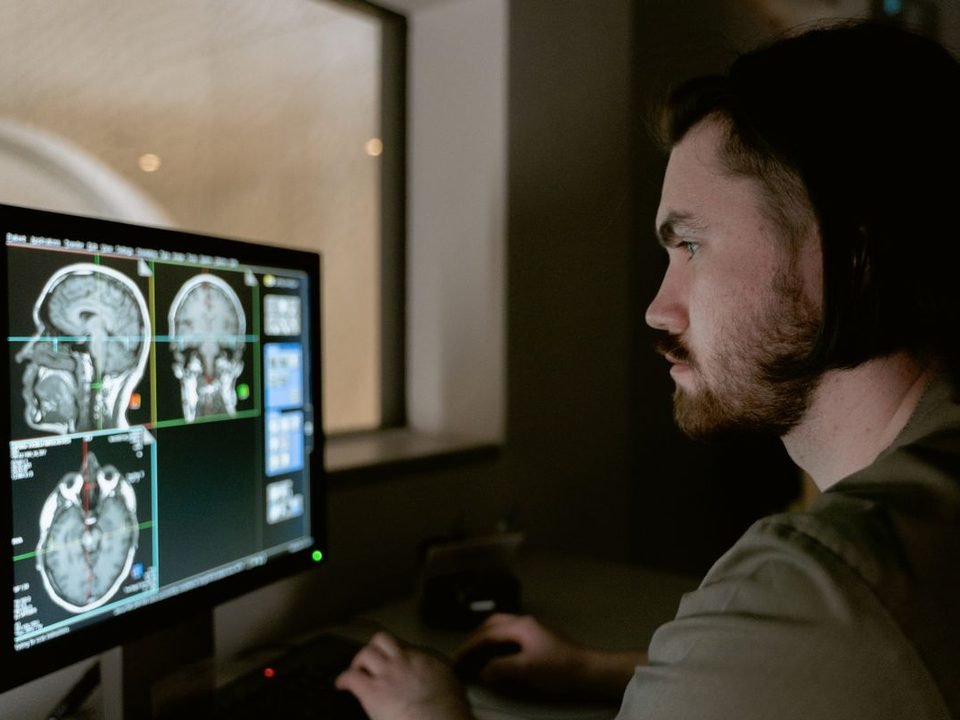
An aneurysm is a balloon-like bulge at a weak point in the wall of an artery, usually where vessels branch at the base of the brain. Most never cause symptoms. The concern is rupture, which causes bleeding into the space around the brain, a subarachnoid haemorrhage.
Risk factors include smoking, high blood pressure, a family history of aneurysm, and certain inherited conditions such as polycystic kidney disease.
Emergency symptoms
A ruptured aneurysm is a life-threatening emergency requiring immediate hospital care.
- Sudden, extremely severe headache, often described as the worst of your life, reaching maximum intensity within seconds
- Neck stiffness, nausea and vomiting, dislike of bright light
- Loss of consciousness, confusion or seizure
- Sudden double vision or a drooping eyelid, which can also signal an enlarging unruptured aneurysm
- Call 998 immediately. Do not wait to see whether it settles.
Unruptured aneurysms
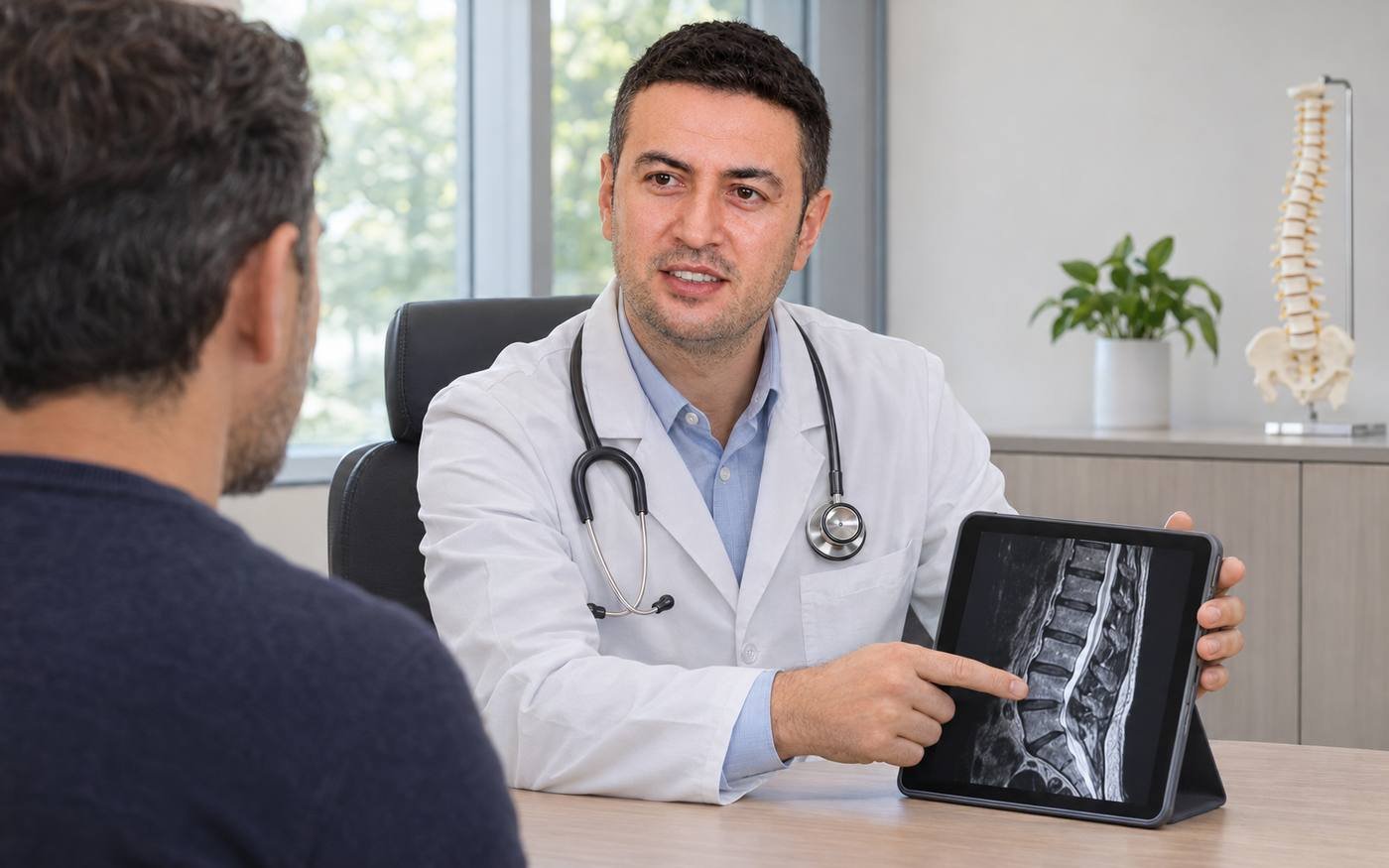
Many aneurysms are discovered incidentally on a scan done for another reason. Finding one is unsettling, but it does not automatically mean surgery.
The decision weighs the size, shape and location of the aneurysm, your age and general health, blood pressure, smoking status and family history against the risks of treatment. Small, stable aneurysms in low-risk locations are often monitored with interval imaging and aggressive control of blood pressure and smoking.
Treatment options
Two approaches exist. Endovascular coiling is performed through a catheter from the groin and packs the aneurysm from inside. Microsurgical clipping places a titanium clip across the neck of the aneurysm through a small craniotomy, excluding it from the circulation permanently.
Which is appropriate depends on the anatomy of the aneurysm and the vessels around it. Dr. Soufan will explain which option suits your specific aneurysm and why.
Dr. Nayef Soufan
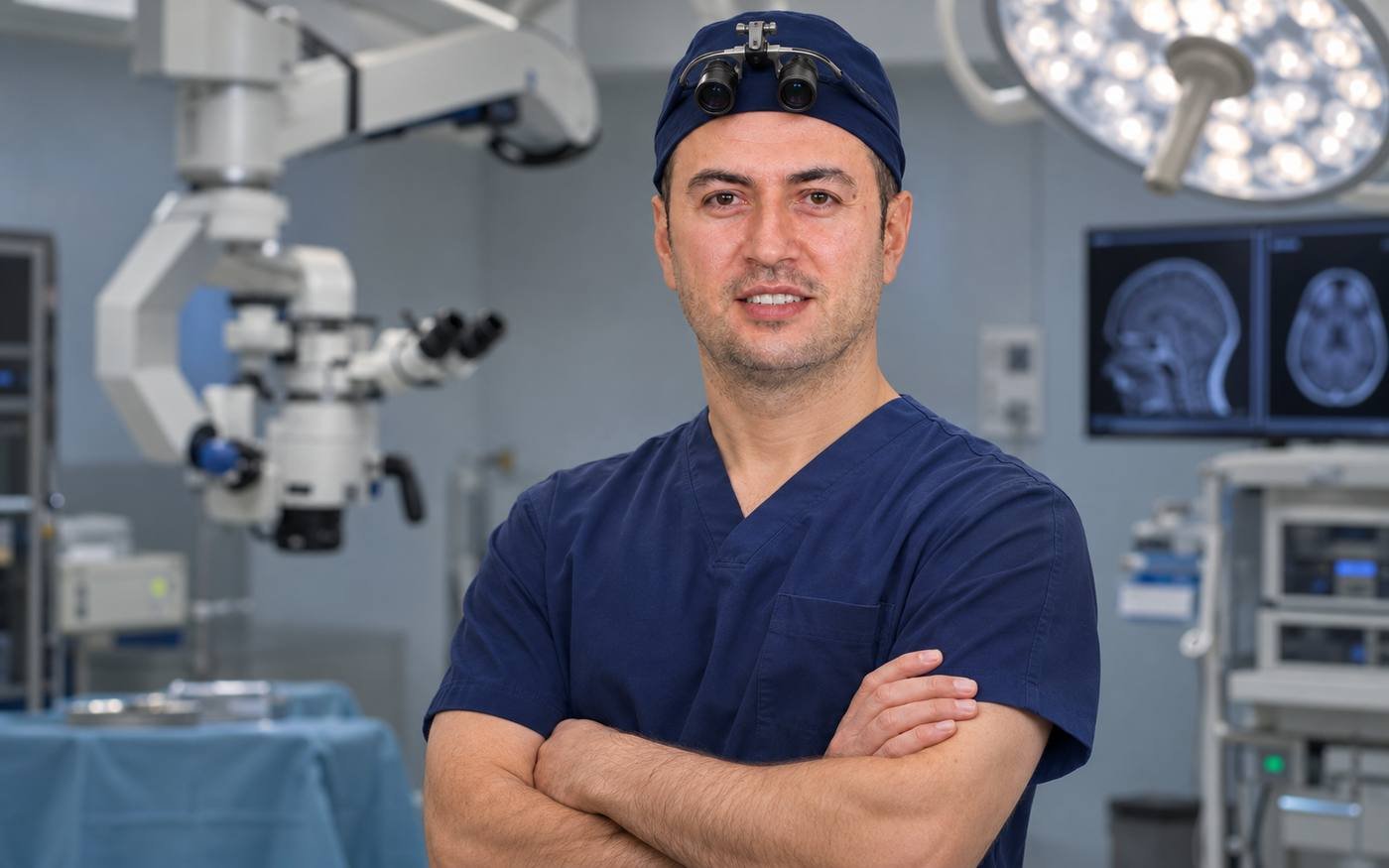
German board-certified Consultant Neurosurgeon at Saudi German Hospital Dubai, treating brain, spine and nerve conditions.
- German Board (Facharzt) in Neurosurgery, Munich 2017
- EUROSPINE Diploma 2025 and DWG Master Training
- More than 2,100 brain and spine surgeries
- 11 years in the German healthcare system
Your Treatment Journey
- 01Consultation and imaging review
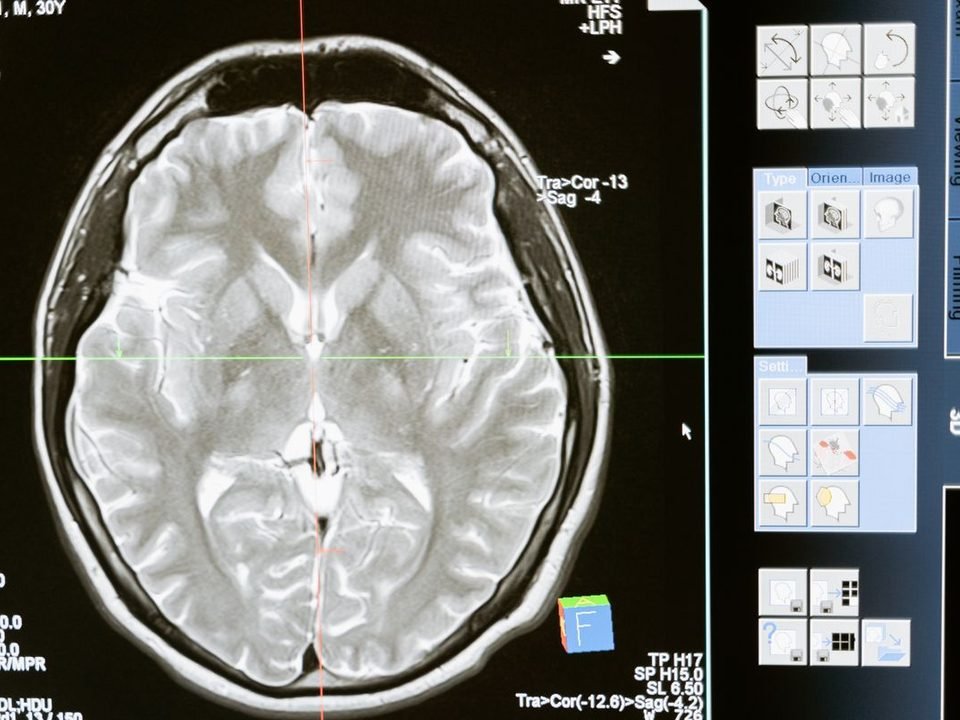
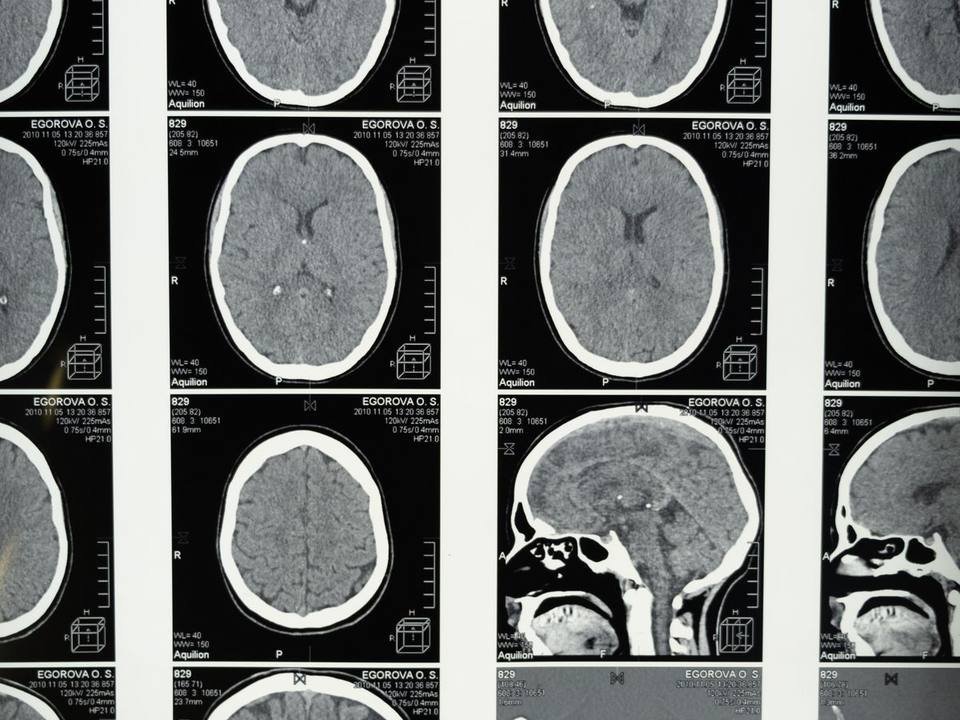
In clinic or by video. Dr. Soufan examines you, reviews your MRI or CT himself and explains what the images actually show.
- 02Diagnosis and all options
You get a clear diagnosis and every reasonable option, non-surgical first. Surgery is discussed only when the findings call for it.
- 03Pre-operative checks and insurance
If you proceed, the Saudi German Hospital team arranges blood tests, anaesthetic review and insurance approval.
- 04The procedure
Performed at Saudi German Hospital Dubai with neuronavigation and intraoperative imaging, through the smallest approach your condition allows.
- 05Follow-up and rehabilitation
Wound check, a staged return to activity and a physiotherapy plan, with Dr. Soufan reviewing your progress until you are back to normal life.

Frequently Asked Questions
Still have a question? Call the clinic and the team will help you.
Call the clinic+971 50 595 4783Does every aneurysm need treating?
No. Many small, stable aneurysms are safely monitored. Treatment is recommended when the size, shape, location or growth increases the risk of rupture beyond the risk of intervention.
What does a ruptured aneurysm feel like?
A sudden, severe headache that reaches full intensity within seconds, often with neck stiffness, vomiting and light sensitivity. It is a 998 emergency.
Is clipping or coiling better?
Neither is universally better. The anatomy of the aneurysm and the surrounding vessels determines which gives the more durable and safer result in your case.
Are aneurysms hereditary?
There is an increased risk if two or more first-degree relatives have had one. Screening may be advised in those families.
What can I do to lower my risk?
Stopping smoking and controlling blood pressure are the two most effective measures.
Start With Clarity
Send your MRI or book a consultation. You will leave with a clear diagnosis and every option explained, in your language.
Call+971 50 595 4783