Before you go
Two practical things make a consultation far more useful. Bring someone with you, because two people remember more than one, and ask whether you can record the conversation or take notes.
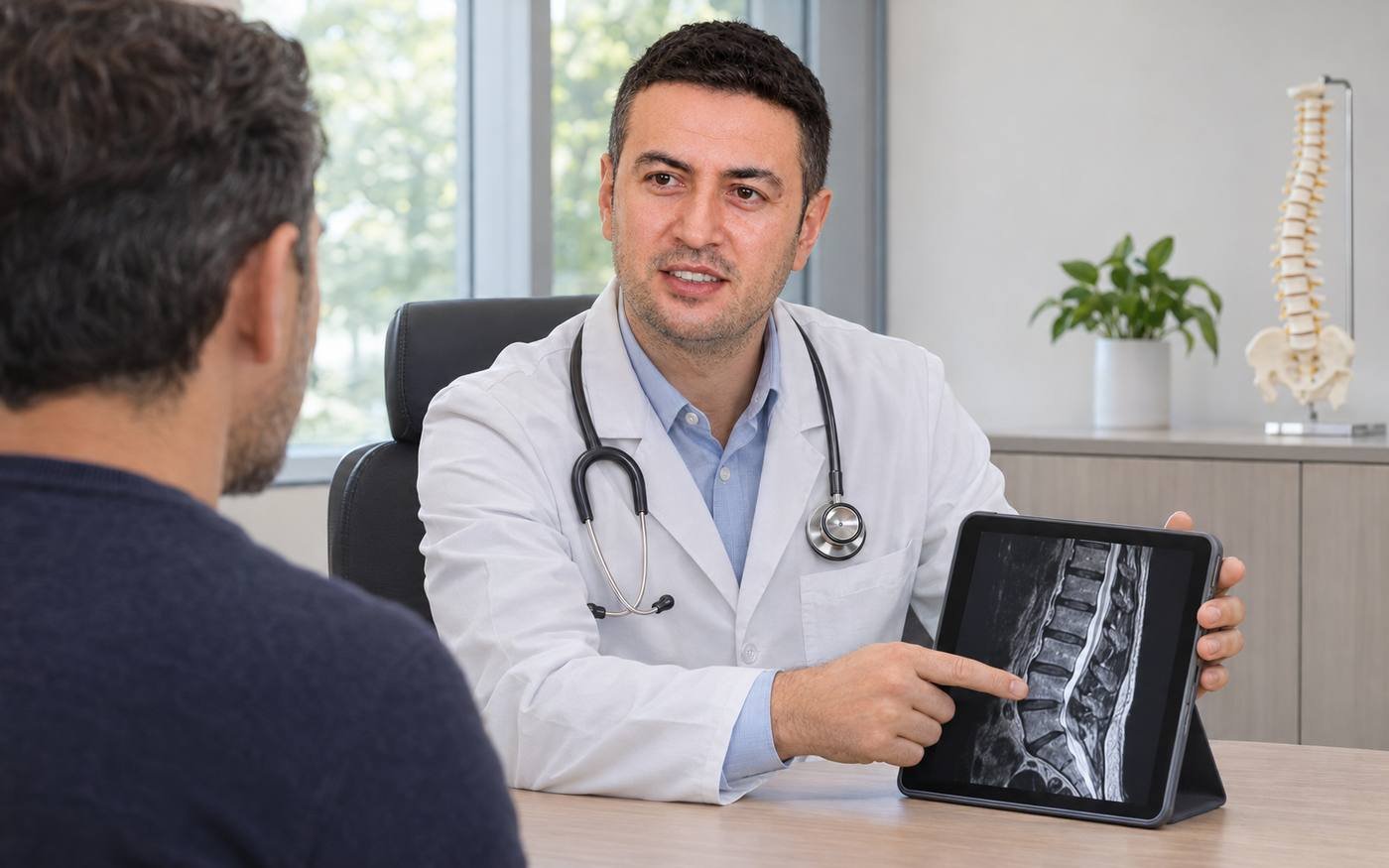
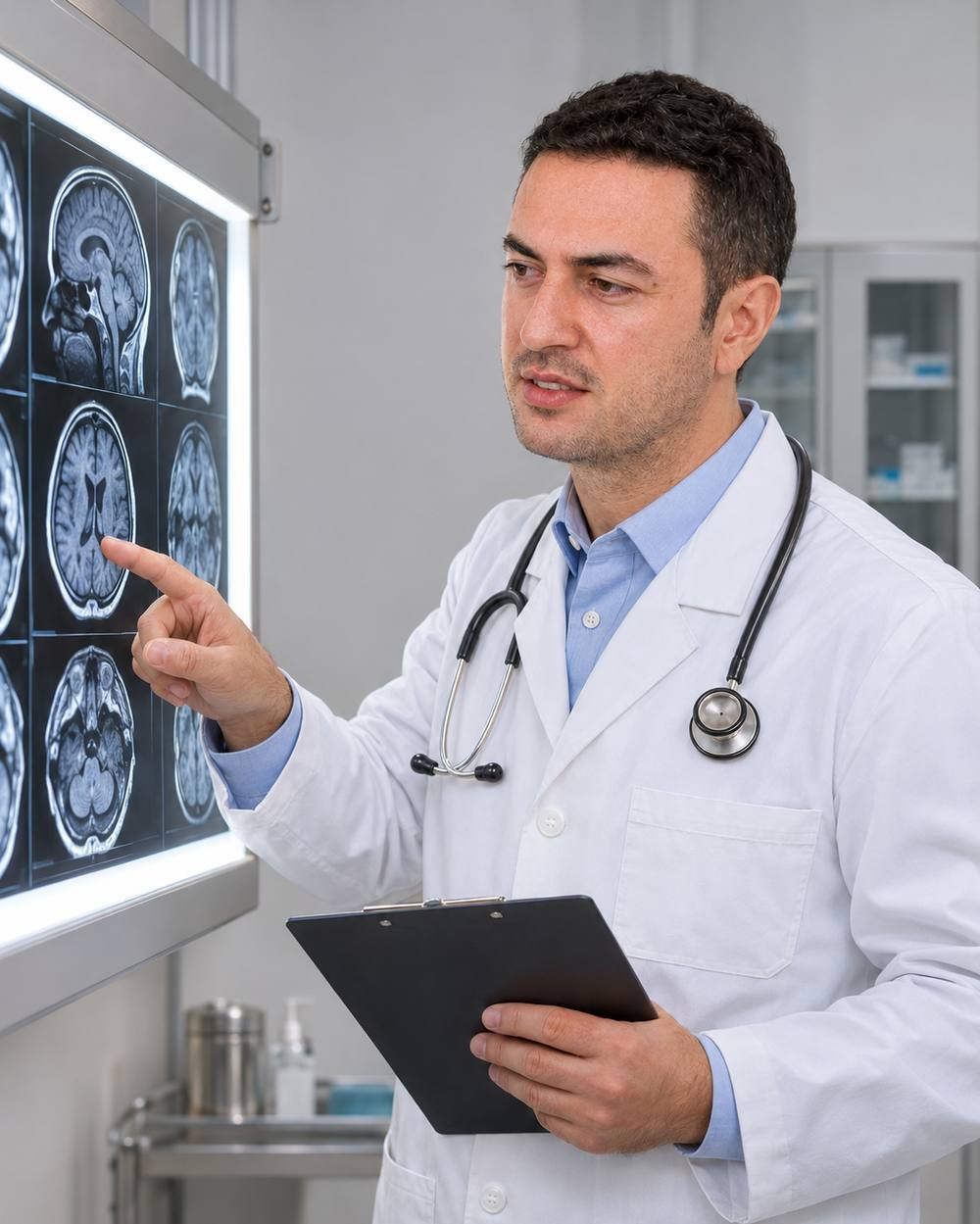
Bring your actual imaging, not just the report. A radiologist’s report is a summary; the surgeon will want to look at the images themselves.
Questions about the tumour
- What type of tumour do you think this is, and how confident are you without a biopsy?
- Is it benign or malignant, and what does that mean in my case?
- Where exactly is it, and which functions does that part of the brain control?
- How fast is this type of tumour likely to grow?
- Is it causing my symptoms, or is it an incidental finding?
That last question matters more than people expect. Some tumours are found on a scan done for an unrelated headache and are not causing anything at all. Not every brain tumour needs immediate treatment.
Questions about the options
- What are all the options, including doing nothing and monitoring with interval scans?
- What happens if I do nothing for three months?
- Is surgery, radiotherapy or medication the usual first treatment for this type?
- What is the goal: cure, control, or getting a diagnosis?
- Who else will be involved in the decision, and is my case discussed by a team?
If surgery is recommended
These are the questions that most change how you understand the plan.
- What is the realistic aim: complete removal, partial removal, or biopsy?
- What stops you from removing all of it?
- Which functions are at risk, and what is the chance of a lasting deficit?
- What technology will you use, such as neuronavigation or intraoperative imaging?
- How many of these operations do you perform?
- How long is the operation, and how long will I be in hospital?
- What happens if something is found during surgery that changes the plan?
A surgeon who answers the question about risk specifically, rather than generally, is giving you the information you need. See how brain tumour surgery is planned and performed.
Questions about afterwards
- When will the pathology result be available, and who explains it to me?
- Will I need radiotherapy or chemotherapy, and when would that start?
- When can I drive, work and fly again?
- Will I need anti-seizure medication, and for how long?
- What is the follow-up scanning schedule?
- Which symptoms should make me contact you urgently?
About a second opinion
Asking for a second opinion is normal and no reasonable surgeon takes offence. It is particularly worth doing when surgery carries significant risk, when you have been told nothing can be done, or when two doctors have given you different advice.
To make it useful, send the actual imaging rather than the report, include the pathology if you have had a biopsy, and write down the specific question you want answered.
A brain tumour diagnosis is frightening, and the words in the report often sound worse than the situation is. The purpose of these questions is simple: to replace fear with a clear picture of what is happening and what the options are.
Common questions
What should I ask after a brain tumour diagnosis?
Ask about the tumour type, whether it is causing your symptoms, all the treatment options including monitoring, the realistic goal of surgery and the specific risks to function.
Should I get a second opinion on a brain tumour?
It is reasonable, particularly when surgery carries significant risk or when you have received conflicting advice. Send the actual imaging rather than only the report.
Does every brain tumour need surgery?
No. Some are monitored with interval scans, some are treated with radiotherapy, and some are incidental findings causing no symptoms.