
Pituitary Adenoma Treatment in Dubai
Pituitary tumours are usually benign, but because the gland controls the body's hormone system and sits next to the optic nerves, small tumours can cause significant problems.
- German board-certified surgeon
- Arabic, English, German
- Saudi German Hospital Dubai
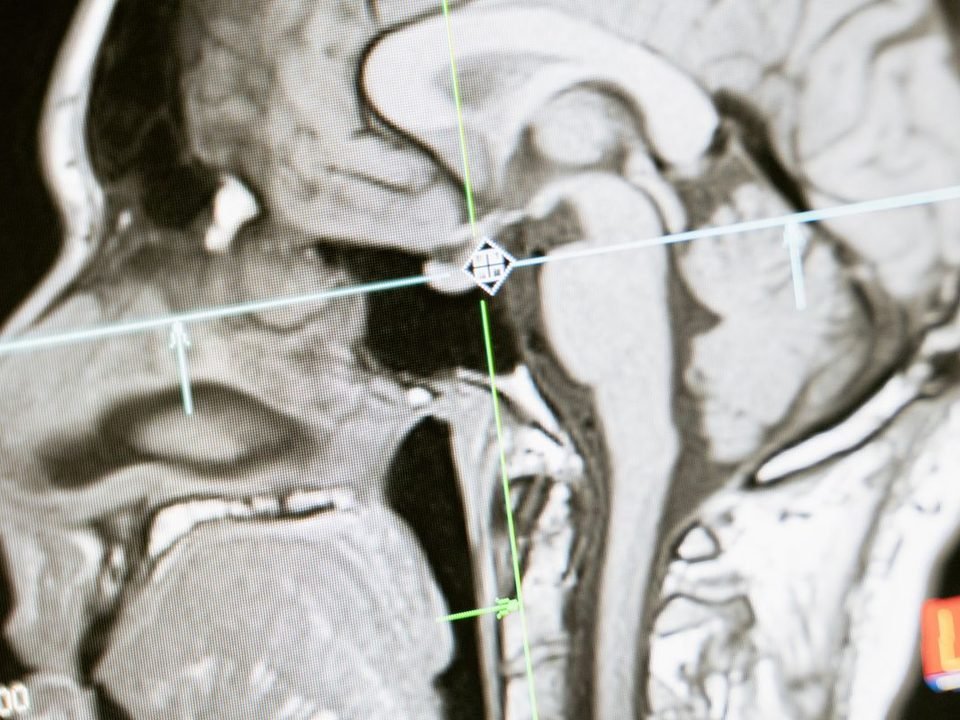
What a pituitary adenoma is
The pituitary is a small gland at the base of the brain that controls the thyroid, adrenal glands, growth, reproduction and water balance. An adenoma is a benign growth within it.
Some adenomas secrete hormones and cause symptoms through hormone excess. Others are non-functioning and cause symptoms by pressing on nearby structures, particularly the optic chiasm immediately above the gland.
How it presents
The presentation depends on whether the tumour secretes hormones and on its size.
- Loss of the outer visual field in both eyes, often noticed first when driving or bumping into door frames
- Headache behind the eyes
- Hormone excess: irregular periods or milk production, enlargement of hands, feet and jaw, weight gain with easy bruising
- Hormone deficiency: fatigue, loss of libido, cold intolerance, low blood pressure
Assessment
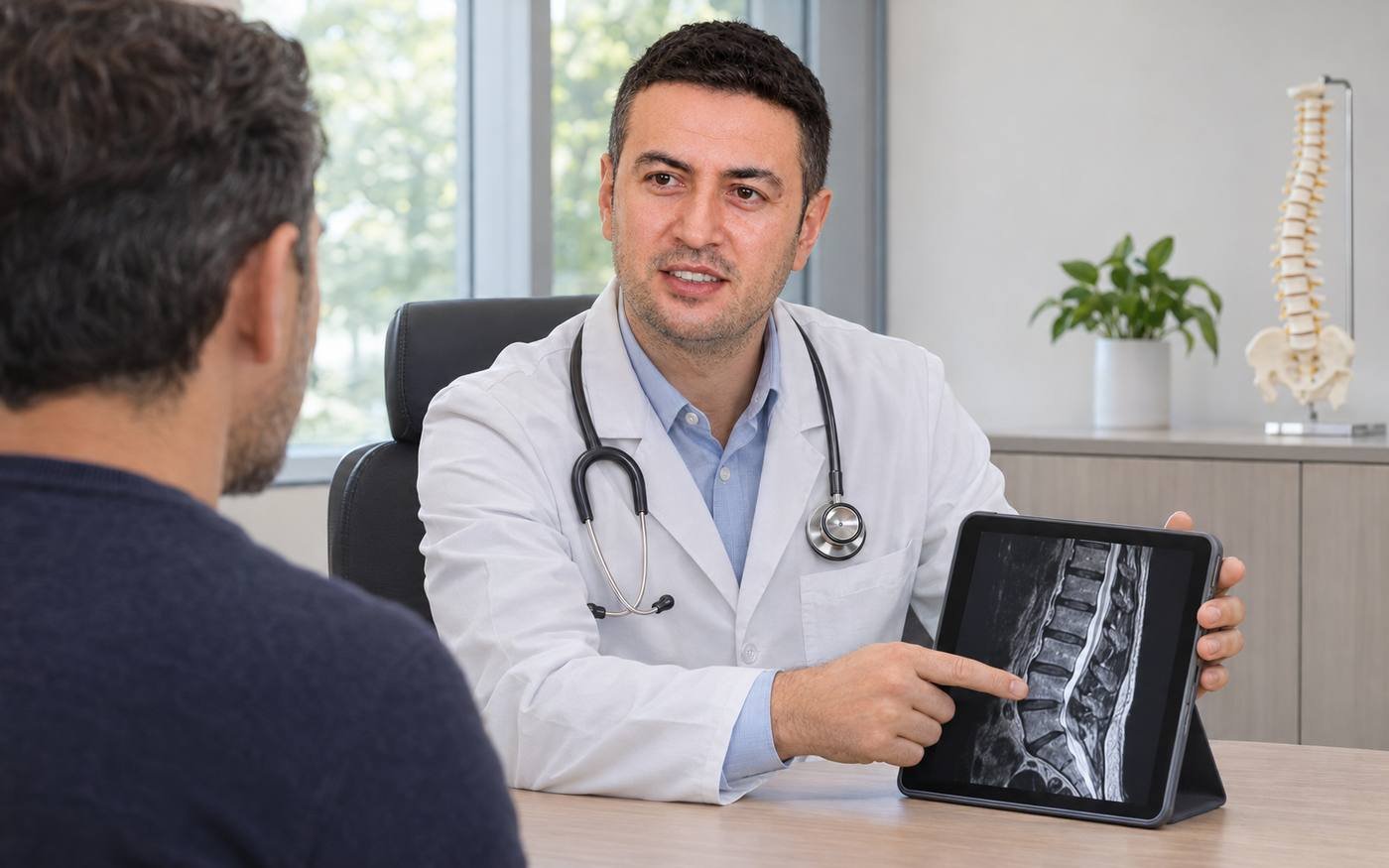
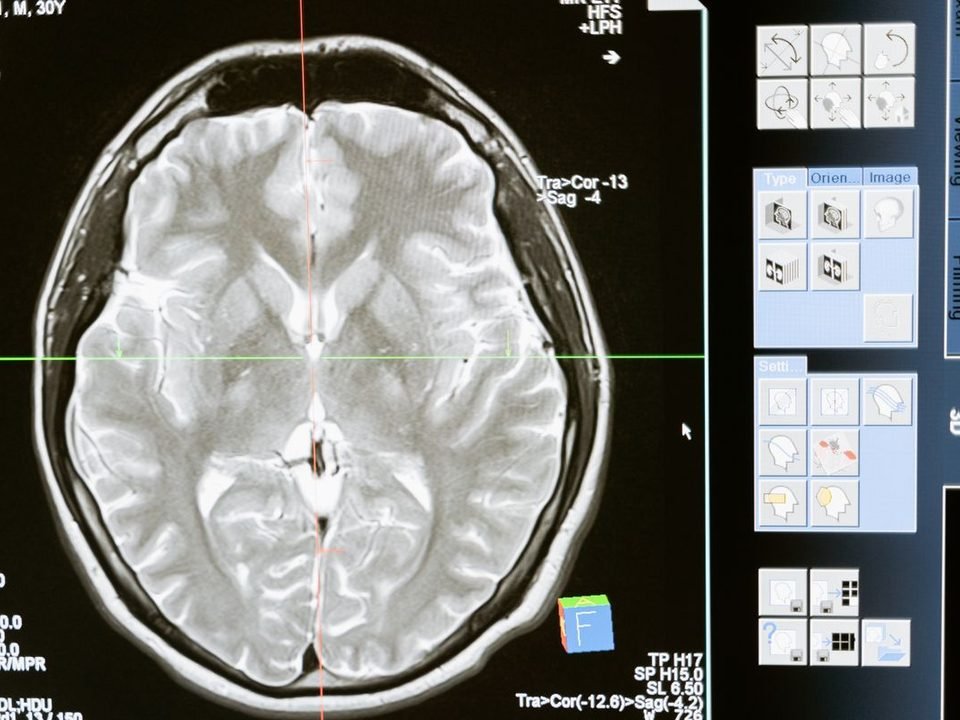
Three investigations are needed: a dedicated pituitary MRI, a full hormone profile, and formal visual field testing. Together they establish the size and extent of the tumour, whether it is secreting, and whether the optic nerves are under pressure.
Some tumours, particularly prolactin-secreting adenomas, shrink with medication and do not need surgery at all. That is why endocrine assessment comes before any surgical decision.
Treatment
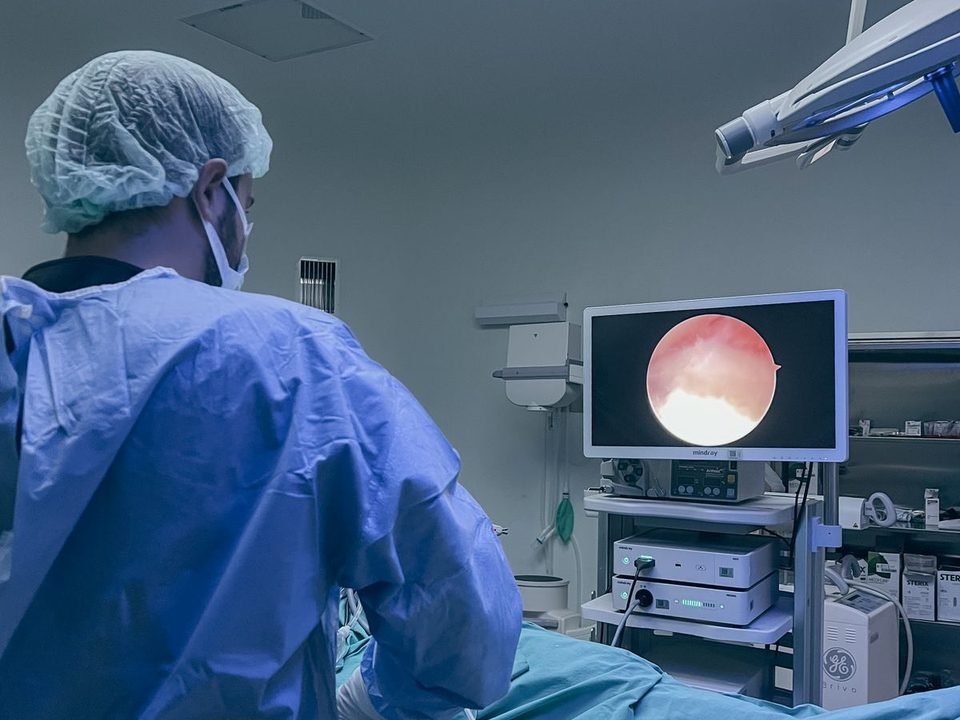
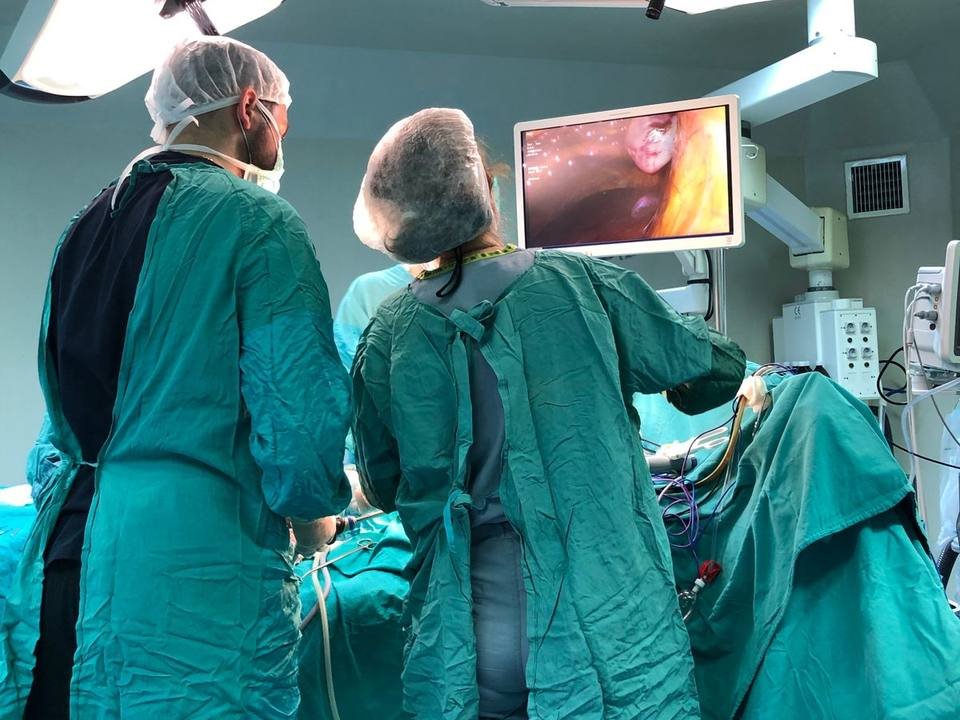
Where surgery is indicated, it is usually performed through the nose and sphenoid sinus, avoiding any incision on the head. Pituitary surgery aims to remove the tumour, decompress the optic nerves and preserve the normal gland.
Visual field loss often begins to improve within days when the optic nerves are decompressed in time. Hormone replacement may be needed afterwards and is managed jointly with endocrinology.
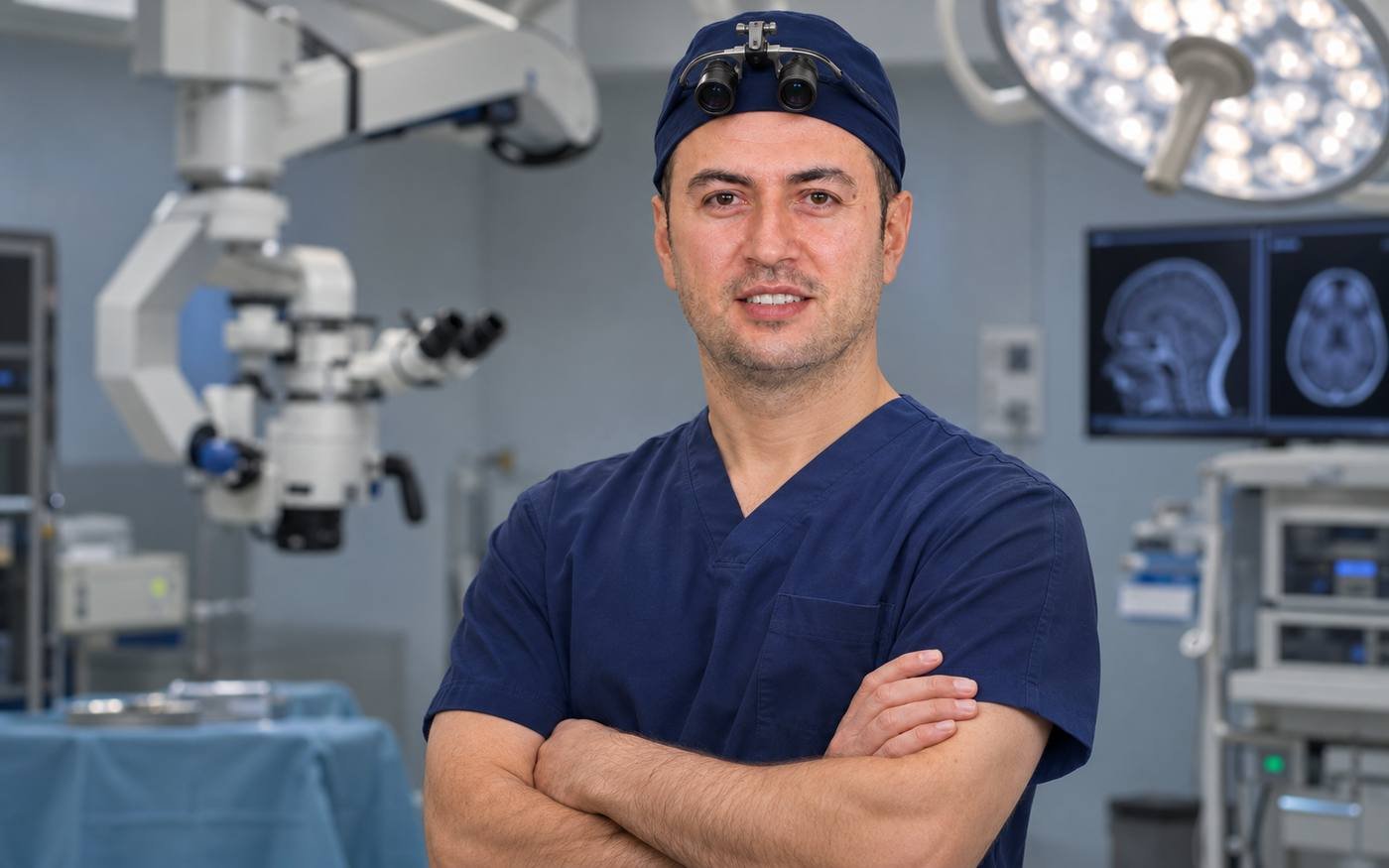

Dr. Nayef Soufan
German board-certified Consultant Neurosurgeon at Saudi German Hospital Dubai, treating brain, spine and nerve conditions.
- German Board (Facharzt) in Neurosurgery, Munich 2017
- EUROSPINE Diploma 2025 and DWG Master Training
- More than 2,100 brain and spine surgeries
- 11 years in the German healthcare system
Your Treatment Journey
- 01Consultation and imaging review
In clinic or by video. Dr. Soufan examines you, reviews your MRI or CT himself and explains what the images actually show.
- 02Diagnosis and all options
You get a clear diagnosis and every reasonable option, non-surgical first. Surgery is discussed only when the findings call for it.
- 03Pre-operative checks and insurance
If you proceed, the Saudi German Hospital team arranges blood tests, anaesthetic review and insurance approval.
- 04The procedure
Performed at Saudi German Hospital Dubai with neuronavigation and intraoperative imaging, through the smallest approach your condition allows.
- 05Follow-up and rehabilitation
Wound check, a staged return to activity and a physiotherapy plan, with Dr. Soufan reviewing your progress until you are back to normal life.
Related Treatments and Conditions
Frequently Asked Questions
Still have a question? Call the clinic and the team will help you.
Call the clinic+971 50 595 4783Is a pituitary tumour cancer?
Almost never. The vast majority are benign adenomas. They are treated because of their effects on hormones and vision rather than because they spread.
Will I have a scar on my head?
In most cases no. The standard approach is through the nostril and the sphenoid sinus, so there is no visible incision.
Can medication avoid surgery?
For prolactin-secreting tumours, medication is often the first and only treatment needed. Other types usually require surgery if they are causing pressure or hormone excess.
Will my vision recover?
When the optic nerves are decompressed before the damage becomes long-standing, vision often improves, sometimes within days. The longer compression has been present, the less complete the recovery.
Will I need hormone tablets afterwards?
Some patients do, either temporarily or long term. Hormone levels are checked after surgery and replacement is managed with an endocrinologist.
Start With Clarity
Send your MRI or book a consultation. You will leave with a clear diagnosis and every option explained, in your language.
Call+971 50 595 4783